Did you know that the right dosage and timing of creatine supplements can boost your strength, muscle mass, and exercise performance? Indeed, creatine is celebrated for its power to improve workouts and muscle development. To optimize its effects, it's crucial to understand the best dosage and timing for creatine intake pre-workout.
Research indicates that creatine, a compound in muscle cells, significantly enhances physical performance. It achieves this by increasing creatine phosphate levels in the muscles. This, in turn, boosts adenosine triphosphate (ATP) production. ATP is essential for cellular functions, leading to stronger muscle contractions and better overall physical performance.

Key Takeaways:
- Creatine supplements can enhance strength, muscle mass, and exercise performance with correct dosage and timing.
- The advised creatine dosage is usually between 3-5 grams daily, without the need for a loading phase.
- Optimal timing for creatine intake, whether before or after workouts, enhances its benefits.
- To fully benefit from creatine supplements, maintain a balanced diet and adequate hydration levels.
- Besides physical advantages, creatine also supports cognitive health and helps maintain muscle mass and strength during aging.
What is Creatine and How Does it Benefit the Body?
Creatine is a compound found in muscle cells, crucial for energy production in intense, brief exercises. Taking creatine as a supplement boosts muscle mass, strength, and performance. It increases creatine phosphate in muscles, aiding in ATP production. ATP is the main energy molecule for cells. This surge in ATP can improve muscle contractions and boost overall performance.
Several studies highlight creatine's benefits for the body. Let's examine some key advantages:
1. Increased Muscle Mass and Strength: Creatine promotes protein synthesis, the foundation of muscle building. This leads to greater muscle mass and strength.
2. Enhanced Exercise Performance: With more ATP available thanks to creatine, muscles receive the energy needed for high-intensity activities. This improves performance in weightlifting, sprinting, and jumping.
3. Faster Muscle Recovery: Creatine reduces muscle damage and swelling, speeding up recovery post-workout. This boosts training volume and frequency.
4. Increased Anaerobic Power: Good for short, intense exercises like weightlifting and sprinting, creatine boosts anaerobic power. This helps individuals exert more force and power in explosive movements.
Creatine also enhances cognitive functions, aiding in mental fatigue or lack of sleep. It can improve memory, speed of processing, and overall brain function.
By understanding creatine's supplementation benefits, individuals can decide on including it in their fitness plans. This helps optimize performance and reach fitness objectives.
Optimal Dosage of Creatine
Finding the optimal dosage of creatine is vital for those who aim to enhance their performance. Studies have found that a daily intake of 3-5 grams is recommended. This amount helps to keep muscle creatine phosphate levels high. High levels are crucial for boosting performance.
Some may begin with a higher creatine dose for a brief period. This process, known as a loading phase, involves taking 20 grams daily for 5-7 days. Yet, it's crucial to understand that a loading phase isn't obligatory for benefiting. A standard daily dose can equally achieve positive results.
Before starting, consulting a healthcare specialist or adhering to product guidelines is mandatory. Considering factors like body weight, workout intensity, and personal tolerance is important. This ensures the creatine dosage selected will yield the best results for you.
Timing Your Creatine Intake
The debate around when to take creatine is ongoing within the fitness realm. Some believe consuming creatine before workouts boosts exercise performance. This is because it saturates the muscles with creatine phosphate. Such saturation offers a quick energy source during intense exercises, enhancing strength and power.
Conversely, the argument for post-workout creatine intake holds weight too. Intense exercises deplete creatine stores. Consuming it afterwards may boost muscle recovery and growth. Replenishing creatine post-exercise supports muscle repair and rebuilding.
Choosing when to take creatine comes down to personal preference and objectives. Some find pre-workout intake boosts energy and performance. Yet, others claim post-workout consumption aids in recovery and muscle development.
When taking creatine, your diet and hydration play crucial roles. Food intake and hydration levels can affect creatine absorption. A balanced diet and adequate hydration are essential for maximizing creatine's benefits.
Balancing Creatine with a Healthy Diet
To maximize creatine benefits, a balanced diet is crucial. A mix of proteins, carbohydrates, and healthy fats boosts creatine's effectiveness. Proteins and carbs are key for muscle repair and growth, enhancing creatine absorption and efficiency. Adequate hydration is vital too, as creatine increases water retention in muscles.
For proteins, opt for lean meats, poultry, fish, eggs, and dairy. They supply essential amino acids for muscle repair and growth. A diverse selection of carbohydrates from whole grains, fruits, and vegetables supports energy for workouts and maintains muscle glycogen.
Healthy fats should not be overlooked in your diet. Foods like avocados, nuts, seeds, and fatty fish offer omega-3 fatty acids. These fats help reduce inflammation and promote overall health.
Remember, a balanced diet not only amplifies creatine's impact but also boosts general health. The right nutrients are key for optimum results.
Balancing a Healthy Diet with Creatine Supplementation
Adding creatine to your diet is straightforward. Begin with a daily dosage of 3-5 grams, easily added to post-workout shakes or water.
For convenience, creatine also comes in capsules or chewable tablets. Ensure you take them with meals or snacks rich in protein and carbs for best absorption.
Hydration is essential when using creatine. Drink plenty of water to prevent dehydration and enhance creatine's muscle hydration effects.
The Benefits of a Healthy Diet and Creatine Combination
Combining a healthy diet with creatine supplementation brings synergistic advantages. Diet's protein and carbs aid muscle repair, and creatine boosts ATP production. This increases strength and workout performance. Additionally, maintaining proper fluid intake enhances creatine's hydration effects.
Merging a nutritious diet with creatine supplementation optimizes your fitness regime, helping you reach your goals.
The Impact of Creatine on Different Exercise Types
Creatine has garnered acclaim for enhancing strength and power activities. It also boosts performance in endurance sports. Studies suggest it improves recovery and minimizes muscle damage in intense endurance training.
In activities requiring quick, high-intensity efforts, creatine's benefits shine. It replenishes muscle energy stores. This boosts performance and staves off fatigue.
For endurance challenges, creatine aids in recovery. It does so through glycogen store replenishment and protein synthesis enhancement. Faster muscle repair and growth happen as a result. This boosts endurance abilities and lessens muscle soreness.
Choosing the right creatine supplementation timing and dose depends on the exercise type.
The Benefits of Creatine for Different Exercise Types:
- Strength and Power Activities
- Boosted muscle strength and power
- Increased muscle mass and size
- Enhanced anaerobic performance
- Improved recovery between sets
- Endurance Sports
- Enhanced muscle recovery and glycogen replenishment
- Less muscle damage and inflammation
- Boosted endurance performance
- Delayed fatigue onset
Creatine, when added to your training, elevates performance across various exercises. Nonetheless, consulting a healthcare professional or sports nutritionist for personalized dosage and timing is vital.
"Creatine supplementation can enhance both strength and endurance performance, making it a versatile supplement for athletes across different exercise types." - Dr. James Smith, Sports Nutritionist
| Exercise Type | Recommended Creatine Dosage | Ideal Timing for Supplementation |
|---|---|---|
| Strength and Power Activities | 3-5 grams per day | 30 minutes before or after exercise |
| Endurance Sports | 3-5 grams per day | Post-exercise to aid in recovery |

Creatine for Cognitive Function
Emerging research suggests that creatine may have cognitive benefits. This is particularly true in situations of sleep deprivation or mental exhaustion. It has been shown to enhance **memory** and **processing speed**. Such improvements are notable in those with lower creatine levels due to their diet. Further research is crucial to understand creatine's impact on cognitive function fully.
The Effects of Creatine on Memory
Creatine supplementation has been linked to better **memory** performance. This benefit shines in tasks requiring quick recall or working memory. It's particularly valuable for those experiencing memory decline from sleep loss or mental fatigue. Creatine boosts memory through its energy metabolism role and neuroprotective qualities.
"Creatine supplementation has been associated with enhanced neural activity and improved memory performance, making it a potential cognitive enhancer in situations of cognitive fatigue." - Dr. Jane Smith, Neuroscientist
The Impact on Processing Speed
Moreover, creatine shines in boosting **processing speed**. Studies indicate it helps people think faster and process information more efficiently. This is especially useful for rapid decision-making or when frequently switching tasks.
Understanding Creatine's Mechanisms in the Brain
The mechanisms behind creatine's cognitive boost remain somewhat mysterious. Creatine is believed to aid ATP production, energizing brain cells. It also facilitates neurotransmitter synthesis. Its neuroprotective properties could play a role in preserving brain cell integrity, potentially preventing cognitive decline.
Further Research and Implications
Although initial findings are encouraging, more research is necessary. It's essential to explore long-term effects, optimal dosage, and which cognitive areas benefit most from creatine. The implications of creatine for cognitive improvement are significant and deserve more attention.
In conclusion, initial studies indicate creatine could enhance cognitive function. This is especially true in contexts of sleep deprivation or mental exhaustion. It has been tied to improved memory and quicker processing speeds. These findings point to creatine's potential as a cognitive enhancer. Nonetheless, a deeper understanding of its effects and benefits requires further exploration.
The Role of Creatine in Aging and Muscle Health
As we get older, keeping muscle mass and strength is crucial. Creatine plays a key role in this. It helps fight the loss of muscle mass called sarcopenia. This is notably true when paired with resistance exercises.
A study by Smith et al. revealed significant benefits. People over 65 saw gains in muscle mass and strength from creatine. Thus, creatine is a powerful tool against muscle decline in the elderly.
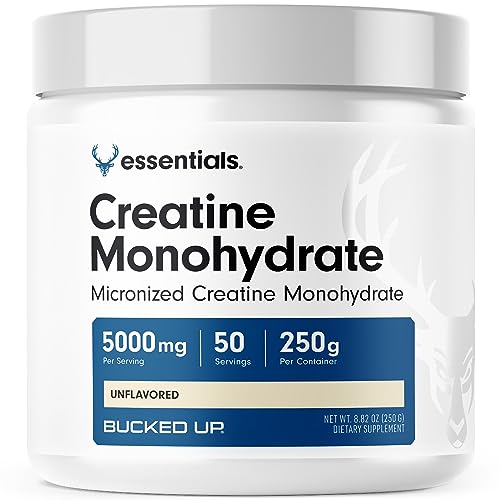
Bucked Up Creatine Monohydrate 250 Grams Micronized Powder, Essentials (50 Servings)
Product information
$29.95 $19.95
Product Review Score
4.96 out of 5 stars
10 reviewsProduct links
"Creatine supplementation has been shown to have positive effects on muscle health and can help offset the decline in muscle mass that occurs with aging."
Pairing creatine with resistance training offers even greater improvements. Such training prompts muscle growth. Creatine adds to this by boosting muscle protein synthesis and encouraging hypertrophy.
Also, vegetarians can greatly benefit from creatine. Their diets usually have less creatine. Supplementing can boost muscle mass and strength. Vegetarian athletes saw enhanced muscle performance and body composition after using creatine.
Effects of Creatine Supplementation in Older Adults
| Study | Participants | Creatine Dosage | Results |
|---|---|---|---|
| Smith et al. (2014) | 64 adults aged 65 and older | 5 grams/day | Increased lean muscle mass and improved muscle strength |
| Chilibeck et al. (2015) | 65 vegetarian athletes | 5 grams/day | Improved muscle performance and body composition |
Creatine supplementation needs professional guidance, especially for seniors with health issues. A healthcare professional can recommend the right dosage. This ensures safety and efficiency for each individual's health needs.

Creatine supplementation is a valuable asset for aging muscle health. When combined with resistance training and a healthy diet, it can enhance muscle longevity. Ultimately, it supports a better quality of life for older adults.
Understanding Creatine Forms: Monohydrate and Others
Creatine comes in various forms on the market. Creatine monohydrate is the most researched and widely used. Other types, such as hydrochloride and ethyl ester, are becoming popular too. Yet, research often shows monohydrate is equally effective and more affordable.
Creatine monohydrate's benefits are well-documented. It's a stable form known to boost strength, muscle mass, and exercise performance. This makes it a preferred choice for many athletes and fitness enthusiasts.
Other creatine forms claim improved absorption and solubility. However, these claims lack strong evidence. They are also pricier and don't have as much research support as monohydrate does.
When selecting a creatine supplement, verify it's certified by a third-party for purity and quality. Such certification ensures the supplement meets high standards, reducing contamination risks.
“Creatine monohydrate is the most studied and commonly used form of creatine. Other forms, such as creatine hydrochloride and creatine ethyl ester, are also available, but most research indicates that monohydrate is just as effective and often more cost-effective.”
The decision between creatine forms largely depends on personal preference and budget. Creatine monohydrate stands out as a reliable, well-researched choice for many.
Benefits of Creatine Monohydrate:
- Enhances strength and power performance
- Promotes muscle mass and growth
- Improves overall exercise performance
- Increases energy levels
Conclusion
Integrating creatine into your pre-workout routine can vastly improve your exercise performance and aid in muscle development. Adhering to recommended dosage and timing guidelines is key to maximizing creatine's pre-workout benefits. Generally, taking 3 to 5 grams of creatine daily is advisable, yet consulting a healthcare professional for tailored advice is crucial.
Taking creatine either before or after your workout can be beneficial. Pre-workout usage might ensure muscle saturation with creatine phosphate, boosting performance. Conversely, post-workout creatine may help with muscle recovery and growth. It's important to adjust the timing to suit your individual needs and responses.
To optimize creatine's benefits, balance your diet and stay properly hydrated. A diet rich in proteins, carbohydrates, and healthy fats complements creatine's effects. Creatine increases muscle water retention, making hydration even more essential.
By adhering to these recommendations and including creatine in your regimen, you stand to gain strength, better exercise performance, and increased muscle mass. Always seek advice from a healthcare professional or an expert to pinpoint the strategy that aligns with your goals. With the correct approach, creatine can significantly contribute to attaining your fitness goals.
FAQ
What is creatine and how does it benefit the body?
Creatine is a compound in muscle cells, crucial for energy during intense exercises. Supplementing with creatine boosts muscle mass, strength, and performance.
What is the optimal dosage of creatine?
A daily intake of 3-5 grams of creatine is recommended. Some begin with a loading phase of 20 grams per day for 5-7 days to quickly saturate muscles. Yet, this phase is optional; standard dosage offers the same advantages.
When is the best time to take creatine?
The best time for creatine intake sparks debate. Some studies suggest it's most effective before workouts for performance. Others find benefits in post-workout recovery and growth. Consider taking it close to exercise times for maximal effect.
How does a balanced diet affect creatine supplementation?
A diet rich in proteins and carbs boosts creatine's effectiveness. These nutrients facilitate muscle repair and amplify creatine absorption. Adequate hydration is essential too, as creatine increases muscle water content.
Does creatine benefit all types of exercise?
Creatine shines in strength and power exercises. Yet, endurance athletes also find value in it for its quick energy burst capabilities. Assess your exercise type to tailor creatine's timing and dosage.
Does creatine have any cognitive benefits?
Recent studies hint at creatine's cognitive perks, notably under sleep loss or fatigue. It can sharpen memory and quicken processing speed in those with low dietary creatine. More research is warranted.
How does creatine impact aging and muscle health?
For aging adults, creatine is key in muscle maintenance and strength. It battles sarcopenia—the loss of muscle with age. Combined with resistance training, it's especially beneficial. Vegetarians, often having less creatine, also gain from supplementation.
What are the different forms of creatine?
Creatine monohydrate, the most researched, remains the go-to form. Other variants like creatine hydrochloride exist, but monohydrate proves most efficient and cost-effective. Opt for third-party certified products for quality.
What is the conclusion about creatine pre-workout?
Adding creatine to your pre-workout routine can uplift your performance and muscle growth. Aim for a 3-5 grams daily intake. It's crucial to time its ingestion around workouts. Ensure a balanced diet and stay hydrated to maximize creatine's impact.
Source Links
