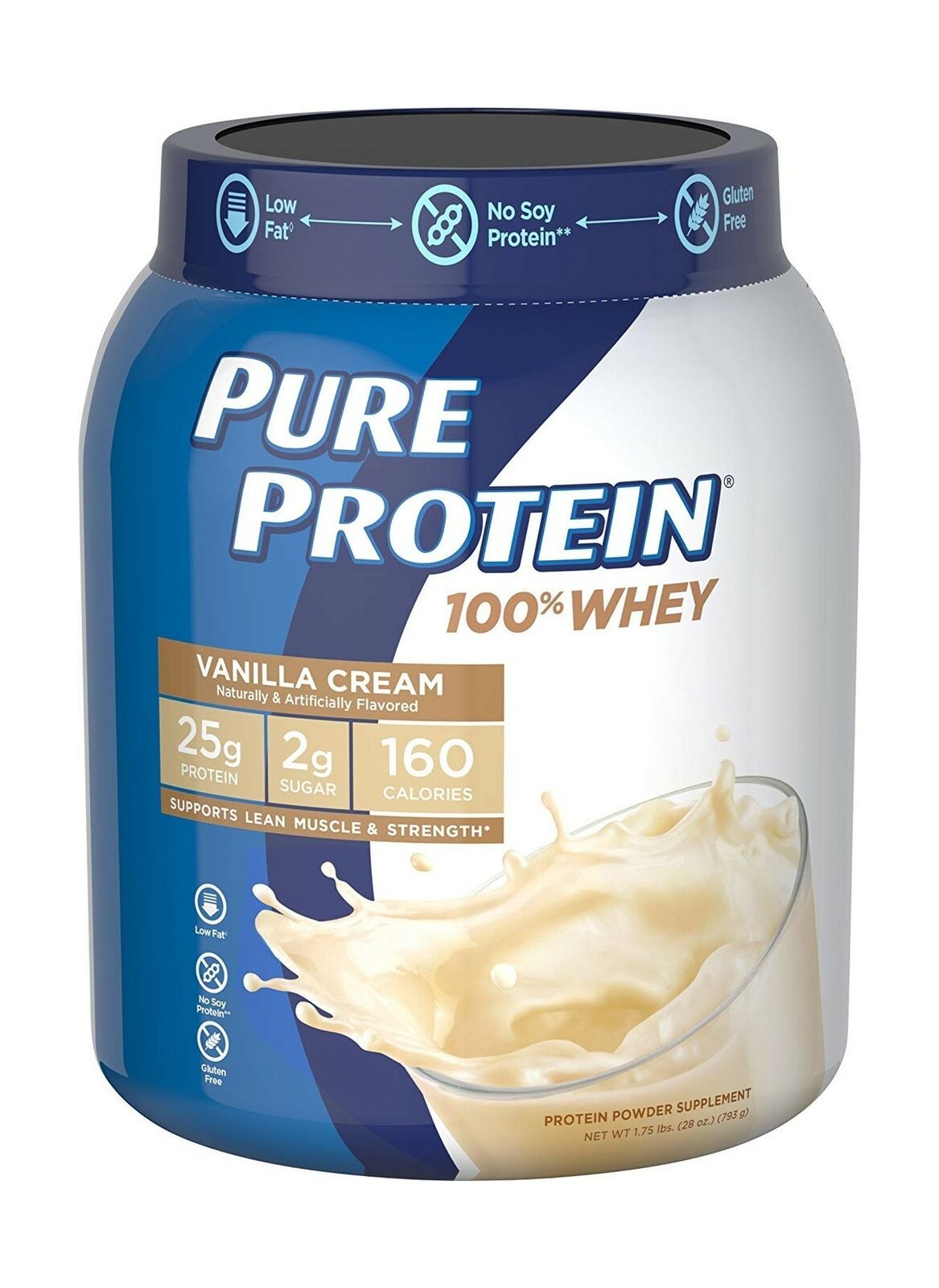
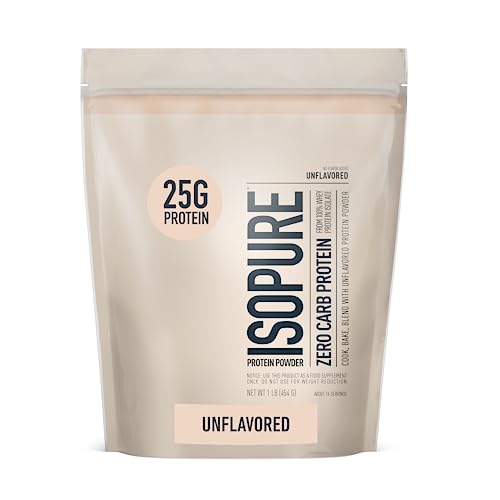
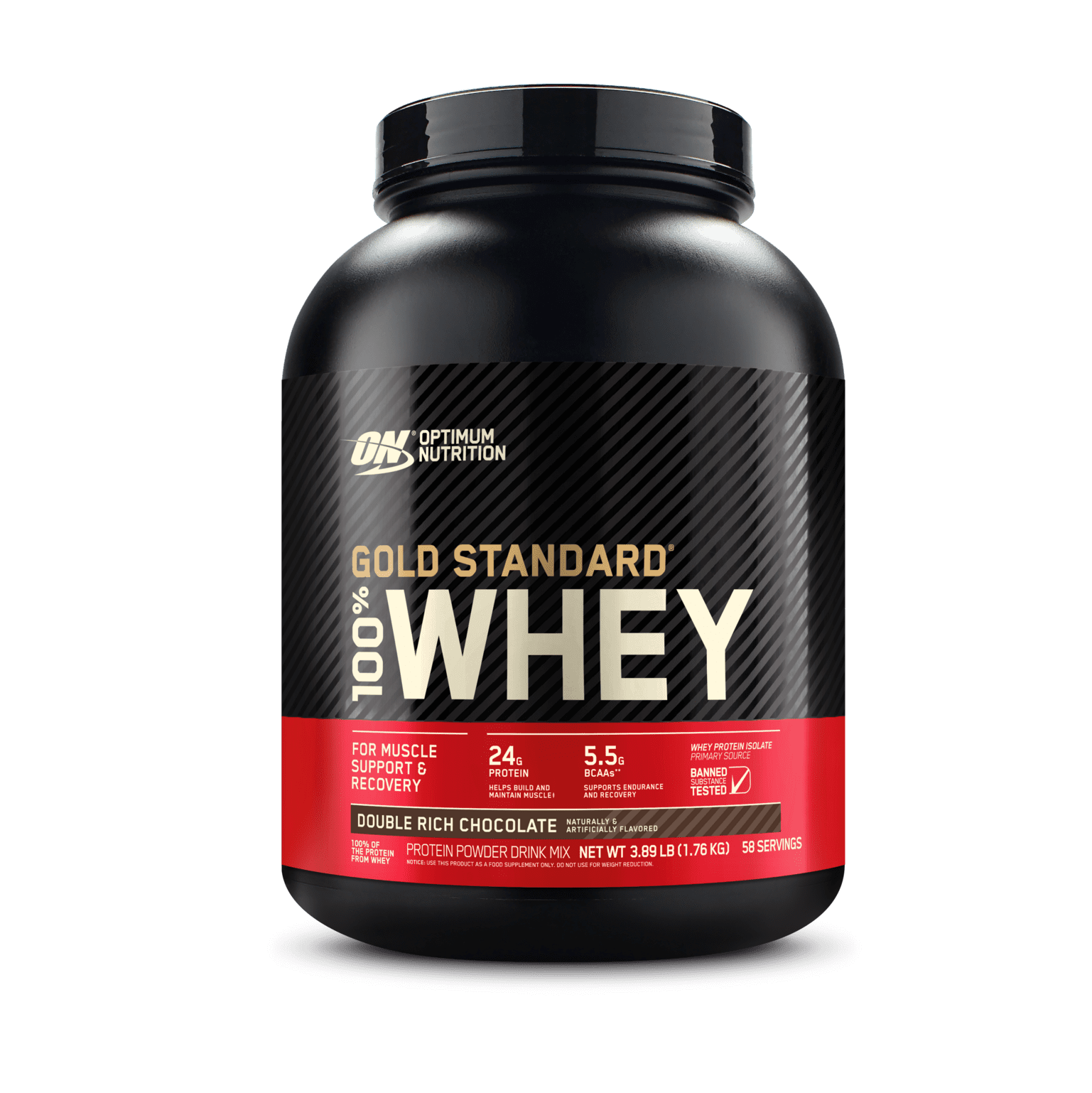
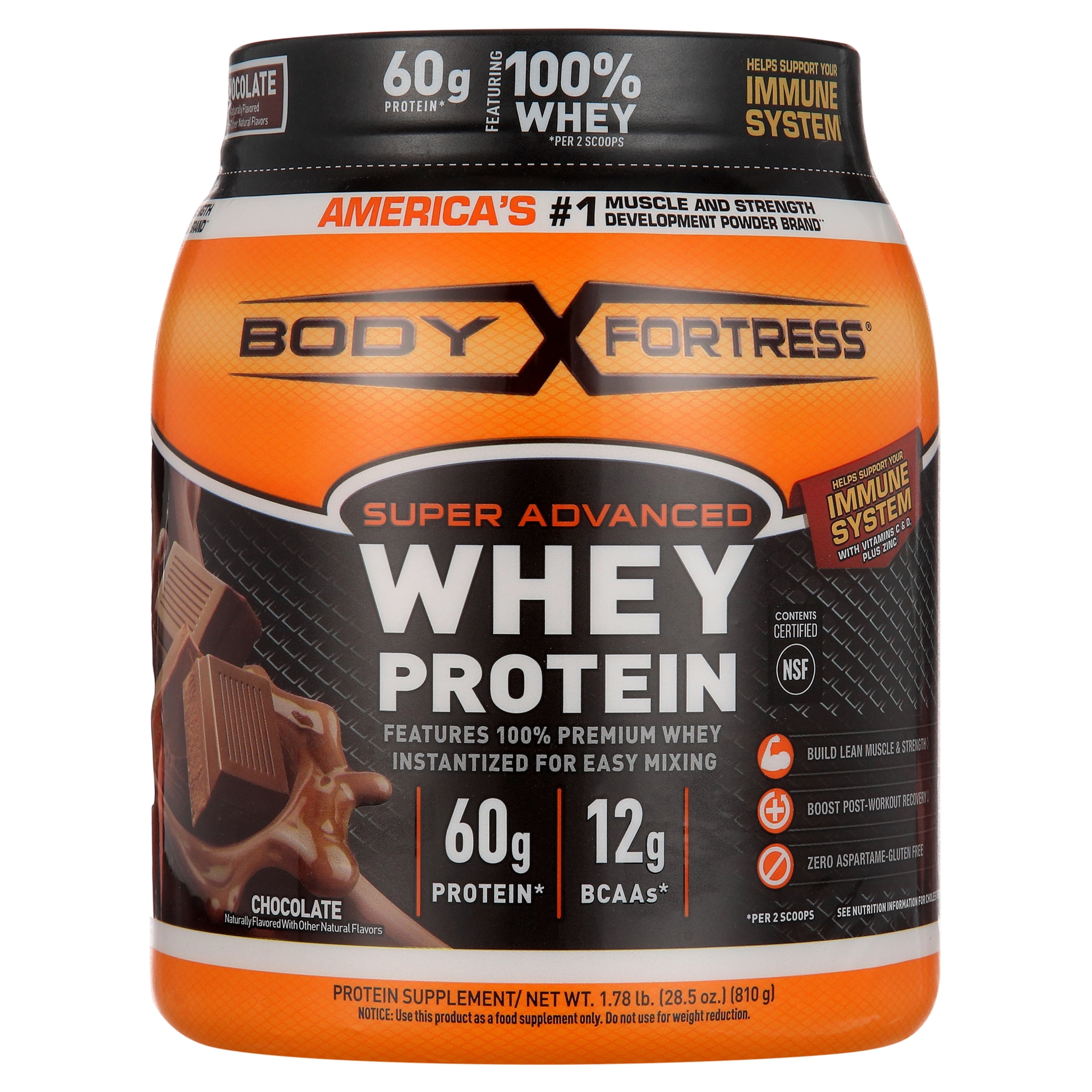
Whey protein ranks as a top dietary supplement in the United States. It's noteworthy that the global whey protein market will likely hit $14.5 billion by 2024. Thanks to its impressive benefits for muscle growth and protein intake, whey protein enjoys popularity among athletes, fitness buffs, and health-conscious folks.
In the realm of whey protein, two variants, isolate and concentrate, are especially prominent. Knowing what sets these two apart is crucial for choosing appropriately for your fitness and health objectives.

Key Takeaways:
- Whey protein is a popular dietary supplement with a rapidly growing market.
- Whey protein isolate and concentrate are two common forms of whey protein.
- Understanding the differences between whey protein isolate and concentrate is crucial for choosing the right one.
- Both forms offer benefits for muscle growth and protein intake.
- Individual needs, preferences, and budget should be considered when selecting between whey protein isolate and concentrate.
What is Whey Protein?
Whey protein is derived from milk. It's found in protein bars, protein drinks, and powders. This fast-digesting protein contains all essential amino acids. The most common forms include whey isolate and whey concentrate.
Among athletes and fitness enthusiasts, whey protein is highly valued for its protein content and swift absorption. It's perfect for those aiming to boost protein intake for muscle gain and recovery. Due to its versatility, it's a favorite for individuals seeking convenient dietary supplements.
Types of Whey Protein
Market-available whey protein types include whey isolate and whey concentrate.
Whey isolate is further processed to eliminate most carbohydrates, fats, and lactose. With a higher protein ratio, it's suitable for people with lactose intolerance, or those minimizing carbohydrate and fat intake.
Whey concentrate retains more carbohydrates, fats, and lactose after water removal. It offers a balanced nutrient profile, being a cost-effective option for budget-conscious individuals.
Both whey isolate and concentrate provide fast-digesting proteins. They are excellent for post-exercise recovery and enhancing muscle protein synthesis.
Benefits of Whey Protein
Whey protein aids in achieving fitness and nutrition objectives:
- It supports muscle growth and repair.
- Fulfills protein needs for active people.
- Easy and convenient to use.
- Boosts recovery after rigorous exercise.
- Promotes satiety, aiding in weight management.
Choosing between whey isolate or whey concentrate can effectively optimize protein intake. It supports fitness goals when added to your diet.
Understanding the Difference Between Whey Isolate and Concentrate
Whey protein comes in two main forms: isolate and concentrate. Their processing methods and nutritional content set them apart. Each type is processed differently, affecting protein, carbohydrate, and fat levels, among other factors.
The Processing Difference
Whey isolate undergoes extra processing, boosting its protein while reducing carbohydrate and fat contents. This additional step filters out more non-protein elements. It results in a purer form of protein.
Whey concentrate, in contrast, goes through less processing. It has more natural milk components like carbohydrates, fats, and lactose. This makes it less rich in protein.
Nutritional Content
Due to their processing, whey isolate and concentrate offer different nutritional profiles. Isolate typically holds about 90-95% protein per serving. It suits those aiming to increase their protein consumption.
Conversely, concentrate has about 70-80% protein per serving. Although it has less protein, it includes more carbs, fats, and lactose. These components can contribute additional nutrients and energy, aiding specific diets or goals.
Evaluating Lactose and Amino Acids
Whey isolate is often the go-to for those with lactose intolerance or aiming to reduce lactose intake. Its processing removes much of the lactose, easing digestion for sensitive individuals.
Both whey isolate and concentrate provide all essential amino acids. However, isolate's processing might yield a denser amino acid composition. These amino acids are crucial for various bodily functions.
Cost Considerations
Notably, whey isolate usually costs more than concentrate. Its protein isolation process incurs higher production expenses. Considering value and budget is vital when choosing between them.
The decision between whey isolate and concentrate boils down to individual dietary preferences and financial constraints. Both forms offer valuable protein, suitable for various fitness and nutrition plans.
| Factors | Whey Isolate | Whey Concentrate |
|---|---|---|
| Protein Content | Higher (90-95% per serving) | Lower (70-80% per serving) |
| Carbohydrates | Lower | Higher |
| Fats | Lower | Higher |
| Lactose | Lower | Higher |
| Processing | More processed | Less processed |
| Cost | Higher | Lower |
Understanding whey isolate and concentrate is key to making an informed choice suited to one's nutrition and fitness objectives. Each offers its benefits, catering to higher protein needs or a balanced dietary profile.
Benefits of Whey Isolate and Concentrate
Both whey isolate and concentrate significantly impact muscle building, strength, and protein consumption. Studies show that these proteins increase lean mass and fortify strength when wisely integrated into one’s diet.
Essential for muscle growth, whey protein is packed with vital amino acids. It's a superior quality protein, quickly digested and absorbed, making it perfect for enhancing muscle-building activities.
"Whey protein is a valuable tool for athletes and fitness enthusiasts looking to optimize their muscle growth potential."
While whey isolate and concentrate may differ nutritionally in protein, carbs, and fats, their efficacy on the body seems parallel.
The key to leveraging whey protein for muscle and strength lies in its premium protein content. Regardless of choosing isolate or concentrate, either supports muscle-building aims within a nutritional strategy.
The Role of Protein Intake in Muscle Building
Protein is essential in muscle development, offering the necessary elements for muscle repair and amplification. Elevating protein intake enhances muscle protein synthesis, empowering muscle adaptation and fortification post-exercise.
For those actively partaking in strength training, a boosted protein intake is advisable. Supplements such as whey isolate and concentrate, serve as a convenient method to meet the increased protein demands.
Comparing the Nutritional Differences
Isolates and concentrates slightly differ, with concentrates having a tad more carbs, fats, and lactose.
Yet, these nutritional variances are minimal and likely do not alter whey protein’s benefits for muscle and strength enhancement significantly.
Ensuring Optimal Results
Combining whey protein with a balanced diet and consistent workout regime is crucial. This approach fosters a setting ripe for muscle growth.
It’s important to remember that protein needs vary per individual. Seeking advice from dietitians or fitness professionals can tailor recommendations to your goals.
Adding whey isolate or concentrate to your regimen augments protein intake, thus aiding muscle development and strength. A nutritious diet and active lifestyle remain paramount in achieving your fitness objectives.
Considerations for Lactose Intolerance and Cost
Individuals with lactose intolerance often choose whey isolate for its reduced lactose. Yet, both whey isolate and concentrate have small lactose amounts. This makes them suitable for those with this condition. Lactose intolerance prevents the body from fully digesting lactose. Symptoms include bloating, gas, and diarrhea.
For lactose-intolerant individuals wanting whey protein, both isolate and concentrate are workable. Whey isolate offers less lactose, but concentrate’s lactose is usually manageable.
Cost differences arise as whey isolate tends to be pricier than concentrate. This is due to isolate's additional processing, enhancing its protein content while reducing lactose, carbs, and fats. However, opting for more whey concentrate can mimic whey isolate’s protein benefits more affordably.
Cost Comparison:
| Whey Protein Type | Price per Serving |
|---|---|
| Whey Isolate | $$ |
| Whey Concentrate | $ |
Considering your protein dosage needs is crucial. While whey isolate often contains more protein per serving, both types can help fulfill protein requirements. Your dose should align with your weight, activity level, and goals, like muscle gain or weight reduction.
In conclusion, lactose intolerant individuals can pick either whey isolate or concentrate. Both generally contain manageable lactose levels. Despite whey isolate's higher cost, a greater amount of whey concentrate can match its protein at a reduced price. Your protein needs should guide your choice, considering personal factors and objectives.
Similar Benefits of Whey Isolate and Concentrate
Whey isolate and concentrate offer similar benefits, aiding in muscle growth and recovery. They are both high-quality proteins. The effectiveness of whey protein hinges on the daily intake and protein quality. Whey isolate is preferable for those cutting back on fat, carbs, or lactose.
In building and maintaining muscle, high-quality proteins are crucial. Essential amino acids in whey isolate and concentrate spur muscle repair and growth. These amino acids are absorbed and used efficiently, making whey a top pick for athletes.
Total daily protein intake is vital when leveraging whey's benefits. Requirements vary by body weight, activity level, and fitness objectives. Typically, active individuals should aim for 0.8-1 gram of protein per pound of body weight daily.
For those on restricted diets, whey isolate is a smart choice. It undergoes additional processing, reducing lactose, fat, and carbs. This results in a purer form of protein, ideal for managing macronutrient intake while meeting protein needs.
Benefits of Whey Isolate
Whey isolate is advantageous for those with specific dietary needs or preferences:
- Low in fat and carbs: Ideal for those on low-fat or low-carb diets.
- Minimal lactose: Suitable for lactose-intolerant individuals, thanks to extra processing.
- Rich in protein: Offers more protein per serving than whey concentrate.
Benefits of Whey Concentrate
Whey concentrate has its own set of advantages:
- More affordable: It's a cost-effective alternative to whey isolate.
- Complete nutrition: Though it has less protein than isolate, it provides essential amino acids and nutrients.
- Greater satiety: Its slightly higher fat and carb content can help keep you feeling full.
Both whey isolate and concentrate are superb sources of high-quality protein that bolster muscle growth and recovery. The choice between them should be based on personal needs, preferences, and dietary constraints. Whey isolate suits those focusing on limiting fats and carbs. Meanwhile, whey concentrate is a more budget-friendly option that doesn't sacrifice the benefits of whey protein.
It's wise to consult a healthcare professional or nutritionist to find the best protein powder and intake for your specific needs and objectives.
Bottom Line
Whey protein, whether as isolate or concentrate, serves as a key source of protein. It supports muscle growth, helping individuals meet their protein goals. Whey isolate might be chosen by those with dietary restrictions.
Both whey isolate and concentrate offer benefits for muscle recovery and growth. The decision between the two depends on personal needs and financial capacity. Some might prefer isolate for its purity and less lactose. Others could go for concentrate due to its more affordable price.
Either way, whey protein is a valuable part of a fitness regimen. It offers a simple, effective method to fulfill protein needs and aid in muscle building.
Whey Protein Isolate vs. Concentrate in Summary
Whey protein isolate and concentrate differ significantly in nutritional composition. Isolate offers a higher protein content but is less in carbohydrates, fat, and lactose, making it a purer protein form. Nonetheless, it's more costly. Both forms aid in muscle growth and recovery despite their differences. The choice depends on one's dietary needs, preferences, and budget.
Now, let's examine the nutritional differences between whey protein isolate and concentrate:
Protein Content:
Whey protein isolate contains around 90% to 95% protein. On the other hand, whey concentrate has a protein content of 70% to 80%. Isolate is thus ideal for those seeking high protein intake.
Carbohydrates and Fat:
Isolate has notably lower carbohydrates and fat levels compared to concentrate. Its additional processing reduces these components, enhancing its purity. This makes isolate fit for those who wish to limit their carbohydrate and fat intake while pursuing their protein goals.
Lactose Content:
Isolate is preferred for those with lactose intolerance due to its minimal lactose amounts. Nevertheless, both isolate and concentrate have low lactose levels, making them suitable for lactose-intolerant individuals.
Price:
Whey protein isolate's greater purity and processing make it pricier than concentrate. This cost difference is a crucial consideration for those on a strict budget.
Despite their nutritional variances, both whey isolate and concentrate similarly support muscle growth and recovery. They are packed with essential amino acids, playing a vital role in protein intake for muscle development.
The selection between whey protein isolate and concentrate hinges on individual needs, preferences, and financial capacity. Isolate might be the go-to for those desiring higher protein along with lower carbohydrate and fat levels. Meanwhile, concentrate represents a cost-effective choice without sacrificing muscle-building advantages.
| Nutritional Component | Whey Protein Isolate | Whey Protein Concentrate |
|---|---|---|
| Protein Content | Higher (Up to 90-95% protein) | Lower (Around 70-80% protein) |
| Carbohydrates | Lower | Higher |
| Fat | Lower | Higher |
| Lactose Content | Lower | Lower |
| Price | More expensive | Less expensive |
Conclusion
Whey protein isolate and concentrate are prevalent, each offering unique benefits. Isolate is more processed, which increases its protein content. This makes it suitable for those requiring high protein levels. Conversely, concentrate is a cost-effective alternative that still delivers whey protein's advantages.
Both versions effectively support muscle development and meet protein consumption objectives. Studies show whey protein aids muscle mass and strength gains within a nutritious diet. Your selection between isolate and concentrate hinges on personal necessity, taste, and fiscal constraints.
Opting for whey protein isolate or concentrate can significantly enhance your workout plan. Always seek advice from a healthcare expert or dietitian to identify the optimum protein supplement. This ensures your specific health requirements are met. Hence, seize the opportunity to leverage whey protein's benefits for your fitness and protein needs!
FAQ
What is whey protein?
Whey protein comes from milk. It's often in protein bars, drinks, and powders. Being a fast-digesting protein, it provides all essential amino acids the body needs.
What is the difference between whey isolate and concentrate?
Whey isolate is more processed to boost its protein while decreasing carbs and fats. In contrast, whey concentrate has more carbohydrates, fats, and lactose but less protein.
Are there any differences in the benefits of whey isolate and concentrate?
Both whey isolate and concentrate support muscle building and strength. Studies haven’t found one to be better than the other for body impacts.
Should individuals with lactose intolerance choose whey isolate over concentrate?
Those with lactose intolerance might lean towards whey isolate due to less lactose. Yet, both whey forms have low lactose, often okay for those with intolerance.
Is there a significant price difference between whey isolate and concentrate?
Whey isolate usually costs more than concentrate. But, taking more whey concentrate can offer as much protein as isolate, in a more budget-friendly way.
Do whey isolate and concentrate provide similar benefits for muscle growth and recovery?
Indeed, whey isolate and concentrate are both high-quality proteins aiding in muscle growth and recovery. Whey protein's benefits mostly rely on total daily protein intake and protein quality.
What should individuals with specific dietary restrictions consider when choosing between whey isolate and concentrate?
For those cutting fat, carbs, or lactose, whey isolate might be preferable. Nonetheless, both whey types are good for upping protein intake.
What is the bottom line when it comes to whey isolate and concentrate?
Whey protein, whether isolate or concentrate, is excellent for meeting daily protein needs. The choice hinges on individual preferences, requirements, and budget.
In summary, what are the key differences between whey isolate and concentrate?
Key differences lie in protein, carb, fat, and lactose levels, plus price. Whey isolate is richer in protein and lower in carbs, fats, and lactose. It's also pricier than concentrate.
Can both whey isolate and concentrate contribute to muscle growth and protein intake?
Absolutely, both whey variants are beneficial for muscle build-up and recovery. The selection depends on personal needs, tastes, and financial plans.
Source Links
- https://www.healthline.com/nutrition/whey-protein-isolate-vs-concentrate
- https://ladder.sport/pages/whey-protein-isolate-vs-concentrate/
- https://timesofindia.indiatimes.com/life-style/health-fitness/diet/whey-protein-concentrate-vs-isolate-whats-the-difference-and-which-one-is-better/photostory/87431233.cms
