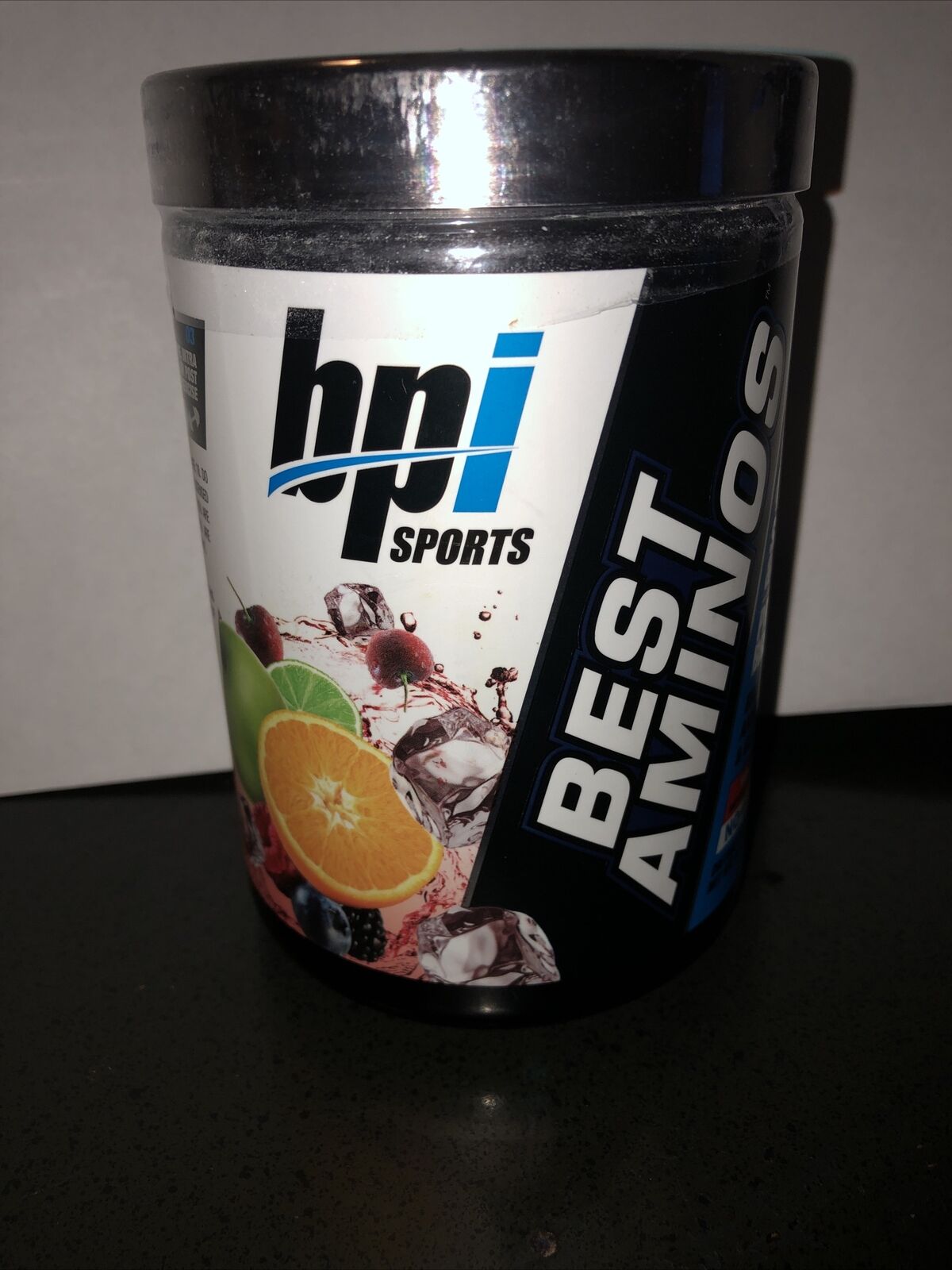
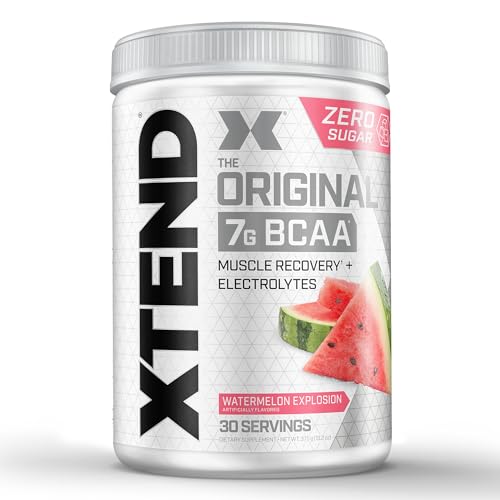
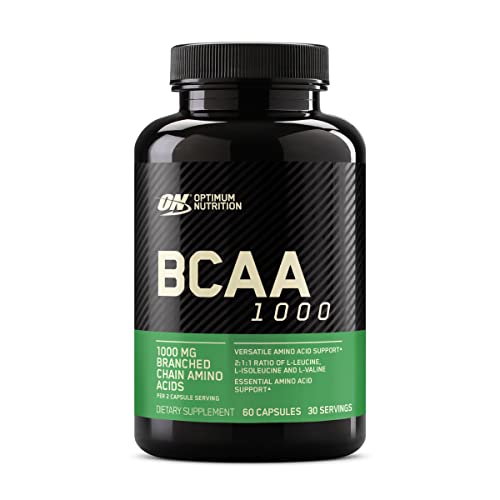
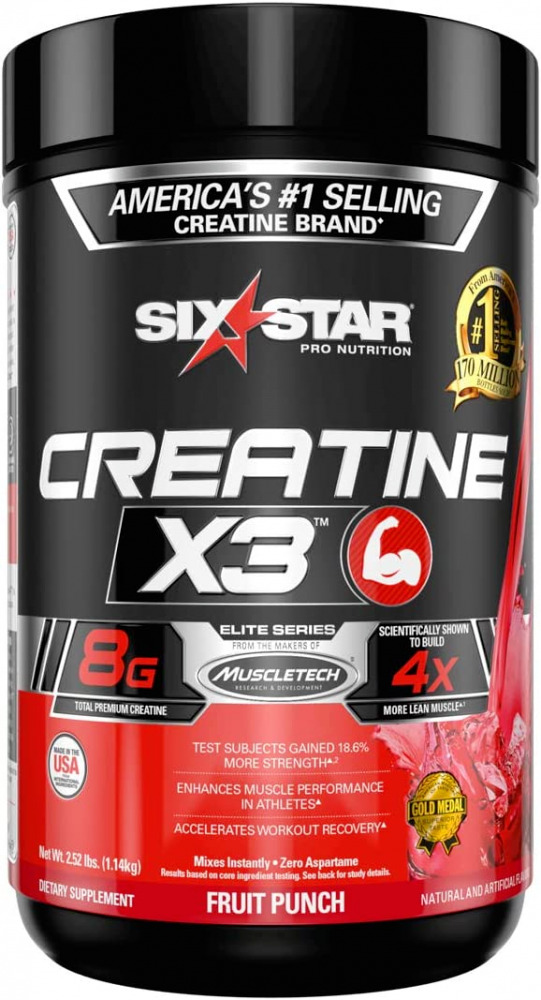
Did you know proper supplementation after workouts can significantly boost muscle recovery? It also promotes growth. Post-workout supplements are key for maximizing fitness outcomes. They provide necessary nutrients for protein synthesis, fixing muscle wear, lowering inflammation, and easing soreness.

Key Takeaways:
- Post-workout supplements are essential for muscle recovery and growth.
- These supplements support protein synthesis and repair muscle damage.
- They help reduce inflammation and alleviate post-workout soreness.
- The timing and dosage of post-workout supplements are important factors to consider.
- By incorporating these supplements into your routine, you can enhance muscle recovery and promote optimal performance.
The Importance of Muscle Recovery
Muscle recovery is crucial for any fitness plan. After a tough workout, our muscles start repairing to grow and strengthen. But, these workouts can cause soreness, a common reaction to exercise stress.
Soreness might last for different periods and can hinder our daily life and sports performance. By focusing on muscle recovery, we hasten healing, ease soreness, and enhance our athletic ability.
Recovery time is vital for several reasons. It lets muscles fix minor damages from working out, which helps in growth. It also cuts inflammation, easing soreness and preventing injuries.
Furthermore, sufficient recovery prepares our muscles for more training. Without it, we risk overtraining. This leads to poor performance, tiredness, and higher injury chances.
Adopting recovery methods like stretching, foam rolling, and tools can lessen soreness. Eating well, particularly protein-rich foods after exercising, is crucial for recovery.
Many athletes use supplements after working out to promote muscle repair and lessen soreness. These products are formulated to aid in recovery.
"Muscle recovery lets our muscles mend, reduces soreness, and improves athletic performance."
The pace of muscle recovery varies among individuals. It depends on fitness levels, workout intensity, and health status.
But, with the right recovery tactics, rest, nutrition, and supplements, optimizing muscle recovery is possible. This unleashes our full athletic potential.
The Role of Vitamins in Muscle Recovery
Some vitamins are key for improving muscle recovery and health. Adding these nutrients after your workout can hasten muscle repair, ease soreness, and boost muscle growth.
Vitamin C boosts the immune system and helps make collagen. Collagen is crucial for repairing muscles and maintaining tendons, ligaments, and muscles.
Vitamin C also acts as an antioxidant. It fights free radicals, reducing stress and inflammation. This quickens recovery and lessens soreness.
Vitamin B complex is vital for muscle recovery too. It converts fats and carbs into energy, fueling muscle repair and growth. This process helps rebuild damaged muscles after exercising.
Moreover, Vitamin B complex is crucial for bone health. Healthy bones are essential for strength, mobility, and supporting muscles during recovery.
Incorporating Vitamin C and Vitamin B complex is crucial for post-workout recovery. They help in muscle recovery, reduce inflammation, and maintain muscle health.
The Benefits of Glutamine for Muscle Recovery
Glutamine is key for muscle recovery, especially after intense workouts. During heavy exercise, your body uses up glutamine faster than it can replenish it. This shortage can negatively affect muscle growth and fat loss, impeding your fitness achievements.
Adding glutamine supplements to your diet can significantly aid muscle recovery. It ensures your body has enough glutamine to repair and rebuild muscle tissue. This process not only encourages muscle growth but also increases strength.
Glutamine's advantages reach beyond just repairing muscles. It's also crucial for gut health, maintaining the gut lining, and supporting a healthy digestive system. This ensures that nutrients are absorbed properly.
To improve muscle recovery, consider glutamine an indispensable part of your regimen. Supplementing with glutamine boosts your body's recovery capabilities. It accelerates muscle repair, stimulates protein synthesis, and furthers muscle growth.
"Glutamine is a key player in muscle recovery, supporting both tissue repair and gut health."
The Role of Glutamine in Muscle Repair
Glutamine fuels the cells responsible for muscle repair, including immune cells. By providing plentiful glutamine, you enhance these cells' effectiveness. This speeds up muscle healing and reduces recovery time.
Glutamine and Fat Burning
Glutamine isn't just for muscle gain; it also aids fat burning. It helps maintain lean muscle, which increases metabolism. This improves your body's fat-burning capabilities.
| Key Benefits of Glutamine for Muscle Recovery |
|---|
| Enhances muscle repair and growth |
| Supports fat burning and metabolism |
| Promotes gut health and nutrient absorption |
Using glutamine after workouts can significantly improve muscle recovery. When combined with other supplements, it creates a potent mix. This boosts muscle gain, fat burning, and enhances physical performance.
The Impact of Omega-3s on Muscle Recovery
Omega-3 fatty acids are vital in enhancing muscle recovery and performance. They're celebrated for improving hormone synthesis. These acids also have significant anti-inflammatory effects. This makes them beneficial for health.
For muscle growth, omega-3s are essential. They stimulate anabolic hormone production, crucial for muscle repair. Incorporating omega-3s post-workout enhances hormone synthesis. This boost contributes to better muscle recovery and heightened performance.
Omega-3s are known for their strong anti-inflammatory qualities. Intense exercises typically lead to muscle soreness. These fatty acids help soothe this discomfort, reducing muscle inflammation. This action expedites recovery, minimizing rest period necessities.
Optimal muscle recovery requires sufficient omega-3 intake. Foods like fatty fish, walnuts, and chia seeds are excellent sources. For those seeking convenience, omega-3 supplements are an alternative. This helps in meeting daily requirements.
Benefits of Omega-3s for Muscle Recovery:
- Promotes hormone synthesis: Omega-3s support anabolic hormone production. This aids in muscle repair and growth.
- Reduces inflammation: Their anti-inflammatory properties help ease muscle soreness post-workout.
- Aids in muscle growth: Essential for muscle development, omega-3s support protein synthesis.
- Alleviates soreness: By promoting muscle repair and reducing inflammation, omega-3s speed up recovery.
Including omega-3s in your post-workout routine promotes muscle recovery. It reduces soreness and enhances performance. Through dietary sources or supplements, omega-3s are a natural way to achieve your fitness objectives.

| Omega-3 Food Sources | Serving Size | Omega-3 Content (grams) |
|---|---|---|
| Fatty fish (salmon) | 3 ounces | 1.5-2.6g |
| Walnuts | 1 ounce (about 14 halves) | 2.7g |
| Chia seeds | 1 ounce | 4.9g |
| Flaxseeds | 1 tablespoon | 2.4g |
Table: Omega-3 Food Sources and their Omega-3 Content
The Power of BCAAs for Muscle Recovery
Branched-chain amino acids (BCAAs) are vital for muscle recovery after intense exercise. They include leucine, isoleucine, and valine, essential for muscle health. Scientific studies affirm their numerous benefits.
Reducing Muscle Soreness:
By diminishing muscle damage and inflammation, BCAAs lessen soreness from rigorous workouts. This accelerates recovery, enabling quicker return to training with less discomfort.
Providing Energy:
During workouts, BCAAs serve as an important energy source. They are oxidized in muscles to generate adenosine triphosphate (ATP), crucial for energy. This boost improves athletic performance and facilitates muscle recovery.
Aiding in Weight Loss:
BCAAs also support weight loss by preserving lean muscle and enhancing fat burn. This preservation of muscle helps keep metabolism high, aiding in weight reduction.
"BCAAs are powerful allies for muscle recovery, helping reduce soreness, providing energy, and supporting weight loss efforts."
Incorporating BCAAs into your post-workout routine can significantly improve recovery. Opt for food sources or supplements, adhering to recommended doses and consulting healthcare professionals as needed.
BCAAs Food Sources:
For natural sources, include these BCAA-rich foods in your diet:
- Lean meats, such as chicken breast or turkey breast
- Dairy products, like Greek yogurt or cottage cheese
- Eggs
- Legumes, such as chickpeas or lentils
- Quinoa
BCAAs Supplements:
If meeting BCAA needs through food is tough, consider supplements. Available in powder or capsule forms, they're a convenient way to ensure adequate intake for muscle recovery.
Make muscle recovery a priority in your fitness regime. BCAAs can reduce soreness, elevate energy, and facilitate weight loss. Enhance your routine with BCAAs to see the benefits firsthand.
The Benefits of Taurine for Muscle Recovery
Taurine, an amino acid present in large amounts in the body, is essential for quicker muscle repair. Research indicates that taurine supplements improve muscular strength and boost endurance. Athletes who use taurine after workouts often see enhanced performance and muscle recovery.
Taurine plays a key role in muscle regeneration. As an antioxidant, it shields cells from oxidative stress damage. This action speeds up the repair and growth of muscle fibers.
Moreover, taurine enhances muscular strength. Studies reveal that its supplementation increases muscle contractility. This enables individuals to produce more force in workouts. Consequently, it results in greater muscle mass and athletic performance.

"Adding taurine to your supplement regimen markedly improves post-workout recovery. Its strength and endurance benefits could dramatically influence your fitness goals."
Taurine also boosts endurance, serving as a crucial supplement for athletes. It improves muscle energy production efficiency, delaying fatigue and enhancing exercise capacity. This allows for longer, more intense workouts, fostering better training outcomes.
To maximize taurine's muscle recovery benefits, correct dosage is crucial. Recommended dosages vary, depending on factors like body weight and workout intensity.
Taurine Dosage Recommendations:
| Body Weight | Dosage |
|---|---|
| Less than 150 lbs (68 kg) | 1,000 - 2,000 mg |
| 150 - 200 lbs (68 - 91 kg) | 2,000 - 3,000 mg |
| More than 200 lbs (91 kg) | 3,000 - 4,000 mg |
Note that taurine supplementation effects can vary per individual. Always consult a healthcare professional or sports nutritionist before adding taurine to your routine.
In summary, taurine is a vital amino acid for muscle recovery. It boosts muscular strength and endurance, popular among athletes and fitness fans. Incorporating taurine post-workout optimizes muscle recovery, helping achieve performance aims.
The Role of NAD+ in Muscle Recovery
NAD+, a coenzyme, is crucial for muscle development and recovery. It fuels the production of enzymes that rebuild and repair muscles post-exercise. Integrating NAD+ supplements post-workout can boost muscle growth. These actions speed up recovery after vigorous exercise routines.
Involved in DNA repair and energy production, NAD+ boosts cellular repair. This hastens muscle repair, shortening recovery times. It fosters optimal muscle growth by acting on cellular signaling. Thus, it plays a vital part in muscle development.
Adding NAD+ to your post-exercise plan could be beneficial. Its support for cellular enzymes is essential for muscle repair. This can be incredibly helpful following intense training.
By using NAD+ supplements, you promote quicker muscle recovery and growth. NAD+ creates a conducive environment for muscle recovery. This combination is key for efficient muscle repair.
The Science Behind NAD+ and Muscle Recovery
NAD+ is crucial for muscle recovery. It catalyzes the production of enzymes necessary for muscle rebuilding after intense workouts.
As we age, NAD+ levels decline, impairing muscle recovery and increasing damage. Supplementing with NAD+ replenishes it, aiding muscle repair. This enhances recovery and muscle growth.
How to Incorporate NAD+ into Your Post-Workout Routine
Selecting high-quality NAD+ supplements is crucial. Aim for those with bioavailable coenzyme forms from trusted brands. This ensures you get the most benefit.
Adhere to dosage instructions from the manufacturer. Consulting a healthcare professional for advice is advisable. NAD+ can significantly boost muscle recovery and growth when incorporated into your post-exercise routine.
| NAD+ Benefits for Muscle Recovery |
|---|
| Promotes the production of cellular repair enzymes |
| Accelerates muscle recovery |
| Enhances muscle growth and development |
| Counters the effects of age-related decline in muscle recovery |
NAD+ significantly impacts muscle recovery. Including it post-workout optimizes recovery, boosts growth, and helps achieve fitness goals efficiently.
The Importance of Hydration and Post-Workout Habits for Muscle Recovery
Proper hydration and post-workout habits greatly enhance muscle recovery. For optimal recovery, factors such as sleep, compression garments, staying hydrated, and IV therapy are key. These combined with post-workout supplements significantly aid your body's recovery process.
Sleep: A Key Component of Muscle Recovery
Enough sleep is critical for your body's repair after exercise. While asleep, your body releases growth hormone. This hormone is crucial for muscle repair and growth. Sleep also fights inflammation and helps your muscles relax. Thus, reducing the stress from intense workouts. For best results, aim for 7-9 hours of quality sleep nightly.
Compression Garments: Reducing Muscle Soreness and Fatigue
Compression garments are beneficial for recovery post-exercise. They apply gentle pressure on your muscles, alleviating soreness and fatigue. These garments enhance blood flow, bringing oxygen and nutrients to your muscles. This assists in the removal of waste products. For faster recovery, consider using compression garments after workouts.
Hydration: Essential for Nutrient Transport and Recovery
Staying hydrated is crucial for muscle recovery. Exercise causes loss of water and electrolytes through sweat. Drinking water replenishes these, ensuring nutrient transport to muscles. This supports the recovery. Drink water throughout the day and increase your intake after exercising.
IV Therapy: Quick Rehydration and Nutrient Boost
IV therapy offers fast rehydration and vital nutrients directly to your bloodstream. This method bypasses digestion, leading to rapid nutrient absorption. It's efficient for recovery and muscle repair. For a quick recovery boost, explore IV therapy options.
For faster muscle recovery, focus on good sleep, use compression garments, stay hydrated, and consider IV therapy. Together with supplements, these practices support robust muscle repair and growth.
Conclusion
Enhanced muscle recovery is achievable through post-workout supplements, hydration, and habits. Including vitamins and amino acids in your routine accelerates muscle repair. It also lessens soreness while fostering muscle growth. Always consider timing and dosage for the best results.
To boost athletic performance and achieve fitness goals, prioritize muscle recovery. Post-workout supplements are vital. They assist in protein synthesis, repair muscles, and reduce inflammation. Coupled with hydration and good habits, they're incredibly effective.
Take charge of your muscle recovery with the right supplements and habits. Ensure you stay hydrated. Focusing on comprehensive recovery methods maximizes outcomes. It helps you excel in fitness.
FAQ
Why is muscle recovery important after a workout?
Muscle recovery is crucial because it starts the healing process. It also lessens soreness and restores athletic potential.
How do vitamins contribute to muscle recovery?
Vitamins like C and B complex are key for collagen production. They neutralize damaging free radicals, clear lactic acid, and support muscle repair and growth.
What role does glutamine play in muscle recovery?
Glutamine is vital for muscle repair and gut health. It replenishes the body's glutamine levels depleted after exercising.
How do omega-3 fatty acids benefit muscle recovery?
Omega-3 fatty acids are essential for hormone synthesis. They possess anti-inflammatory properties, aiding muscle growth and reducing soreness.
How can BCAAs help with muscle recovery?
BCAAs lower muscle soreness and provide necessary energy. They also support weight loss efforts, boosting recovery after workouts.
What are the benefits of taurine for muscle recovery?
Taurine improves muscle strength and endurance. It significantly enhances overall muscle recovery.
What role does NAD+ play in muscle recovery?
NAD+ is critical for muscle development and recovery. It aids in producing enzymes essential for cellular repair.
What are some post-workout habits that aid in muscle recovery?
Good sleep, compression garments, staying hydrated, and IV therapy enhance muscle recovery.
How do post-workout supplements enhance muscle recovery?
Post-workout supplements deliver vital nutrients for protein synthesis. They repair muscle damage, lessen inflammation, soothe soreness, and foster muscle growth.
Why is timing and dosage important for post-workout supplements?
Proper timing and dosage of supplements ensure peak efficacy. They guarantee the body gets essential nutrients when needed most.
How can muscle recovery be enhanced to reach fitness goals?
Enhancing muscle recovery involves post-workout supplements, adequate hydration, and recovery habits. This accelerates recovery, minimizes soreness, and boosts muscle growth.
Source Links
