
Understanding Muscle Building Supplements
When it comes to enhancing muscle growth and achieving fitness goals, many individuals turn to muscle building supplements for an extra boost. These supplements are designed to provide essential nutrients and support the body's natural processes for muscle development. However, it's important to understand that supplements are not a substitute for a balanced diet and exercise routine.
An Overview of Muscle Building Supplements
Muscle building supplements encompass a wide range of products that aim to support muscle growth, increase strength, and improve athletic performance. Some of the most researched and effective supplements in this category include protein supplements, creatine, and caffeine (Medical News Today). These supplements have been widely studied and shown to offer benefits for muscle building and exercise performance.
Importance of a Balanced Diet and Exercise
While muscle-building supplements can be a valuable addition to a fitness regimen, it's crucial to emphasize that they should not replace a healthy and well-rounded diet. Medical News Today emphasizes that a healthy diet rich in whole foods is the foundation for achieving fitness goals. Supplements should be used to complement a balanced diet and exercise routine, rather than being solely relied upon.
Regular exercise, particularly resistance training, is a key component of muscle building. When combined with proper nutrition, exercise stimulates muscle protein synthesis and promotes hypertrophy, which is the growth and increase in size of muscle fibers. This process helps to build lean muscle mass and improve overall strength.
By incorporating protein-rich foods into your diet, you can provide your body with the building blocks it needs for muscle growth and repair. Protein supplements, such as whey protein, have gained popularity among athletes and fitness enthusiasts due to their high amino acid content, which is essential for muscle development. However, it's important to remember that whole food sources of protein are equally important for overall health and should not be overlooked.
In addition to a balanced diet and exercise, certain muscle building supplements have been found to be effective in promoting muscle growth and improving athletic performance. Creatine, for example, is a molecule that helps rapidly produce energy to support cellular function in the body, making it a common supplement choice for increasing muscle mass. It is commonly used by professional and recreational athletes to enhance muscle performance (NIH Office of Dietary Supplements).
While muscle building supplements can offer benefits, they should be used in conjunction with a well-rounded diet and proper exercise regimen for optimal results. The long-term use of some supplements, such as protein powders, may lead to nutritional imbalances if they replace whole foods with concentrated sources of nutrients. Additionally, over-reliance on supplements without a balanced approach can result in adverse health effects, such as high blood pressure, liver toxicity, and kidney damage.
In conclusion, while muscle building supplements can play a role in supporting muscle growth and improving athletic performance, they should be used as part of a comprehensive approach that includes a balanced diet and regular exercise. It's important to consult with a healthcare professional or registered dietitian before starting any new supplement regimen to ensure it aligns with your individual needs and goals.
Protein Supplements for Muscle Building
When it comes to muscle building supplements, protein supplements are among the most popular and widely used. Protein plays a crucial role in muscle repair and growth, making it an essential nutrient for individuals looking to build and maintain muscle mass. In this section, we will explore the benefits of protein supplements and how they compare to protein-rich foods.
Protein-Rich Foods vs. Protein Supplements
Protein can be obtained from both natural food sources and protein supplements. While consuming a balanced diet that includes protein-rich foods is the ideal way to meet your nutritional needs, protein supplements can be a convenient and effective option, especially when there are constraints on food intake or time.
Protein-rich foods, such as lean meats, poultry, fish, eggs, dairy products, legumes, and nuts, provide a wide range of essential nutrients along with protein. They offer the advantage of being natural and minimally processed, which can contribute to overall health and well-being.
On the other hand, protein supplements offer a concentrated dose of protein in a convenient and easily digestible form. These supplements are available in various forms, including powders, bars, and shakes. They are a popular choice among athletes and fitness enthusiasts due to their convenience and ability to provide a quick and efficient source of protein.
Benefits of Whey Protein for Muscle Growth
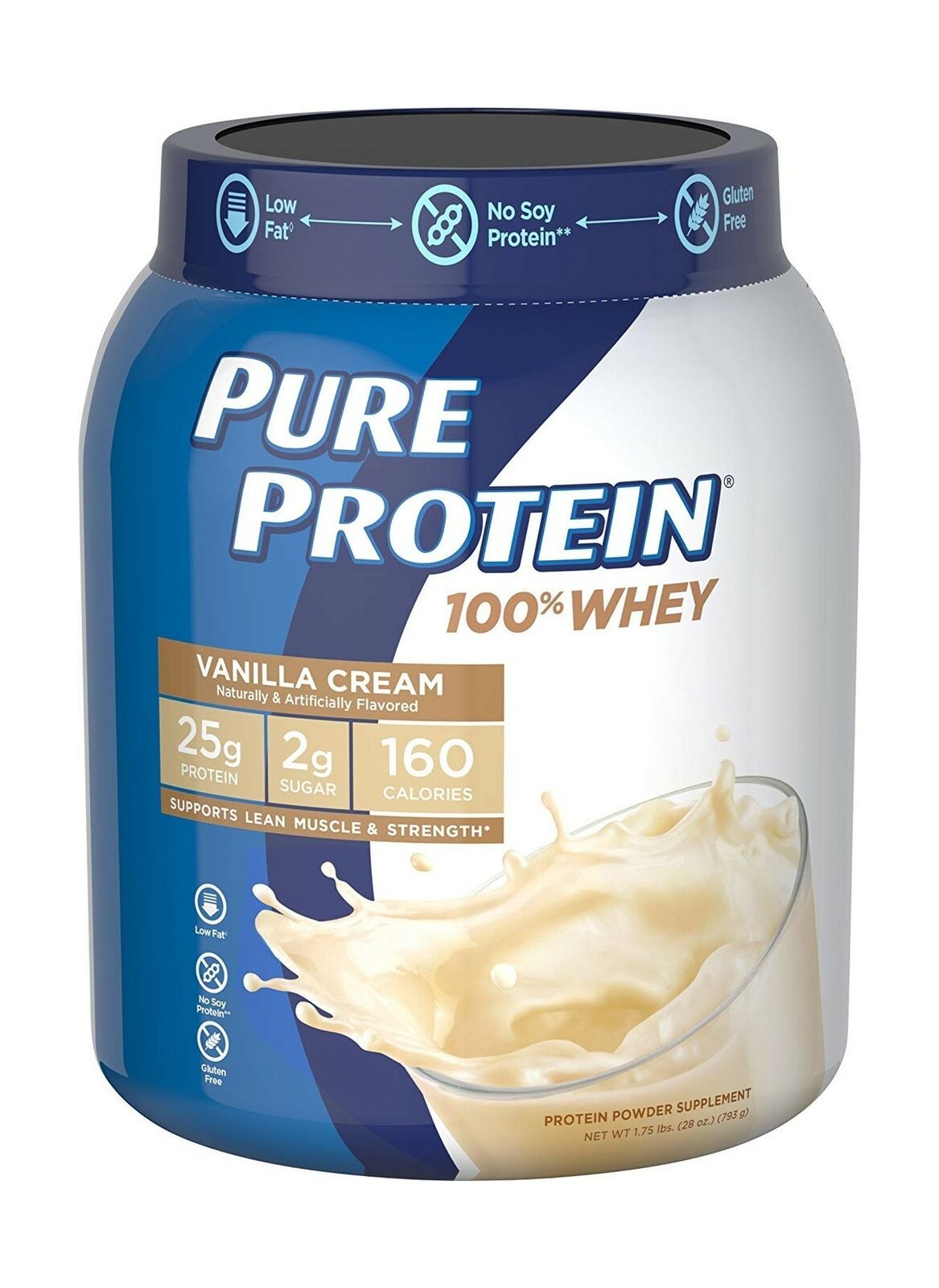
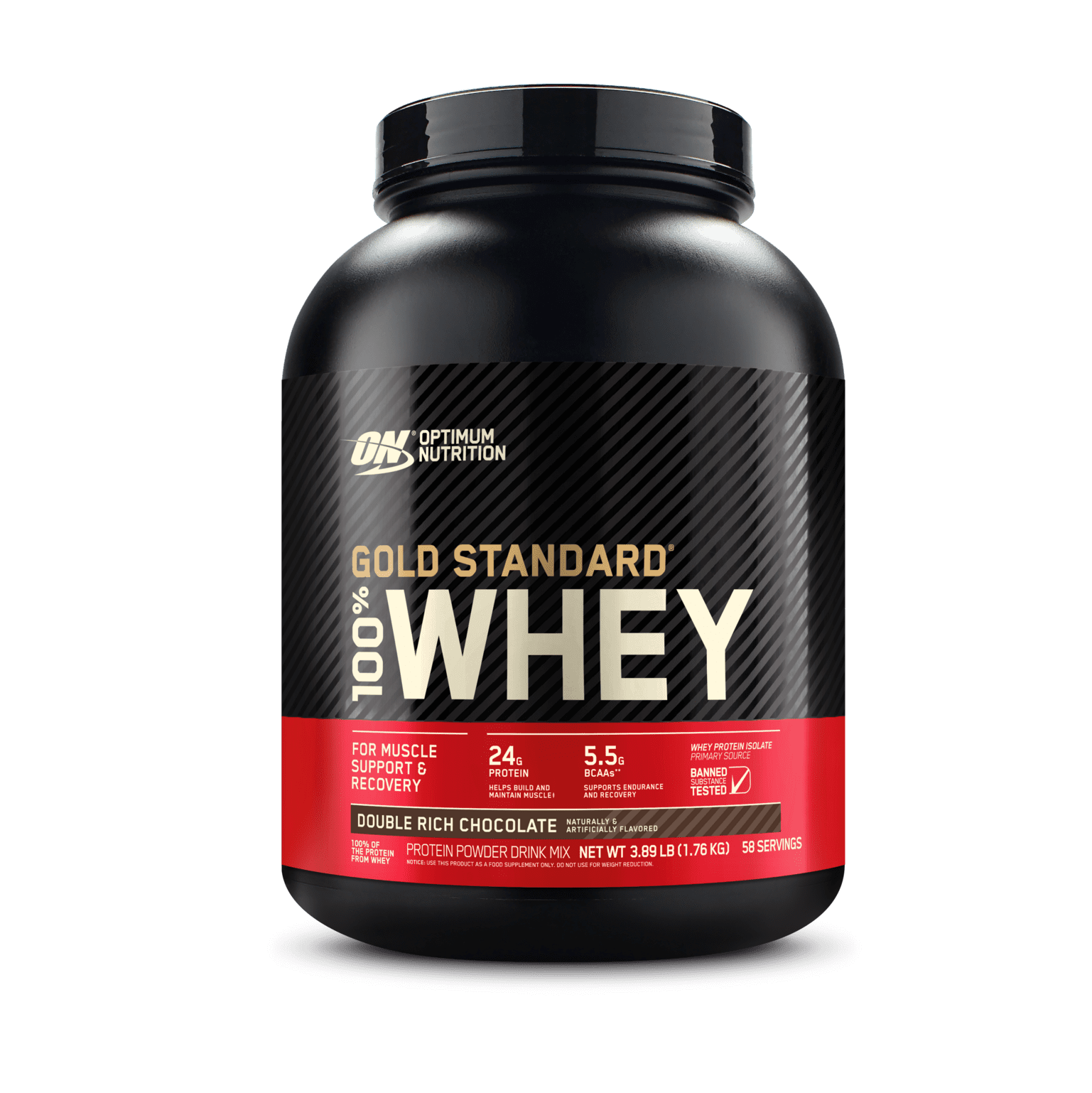
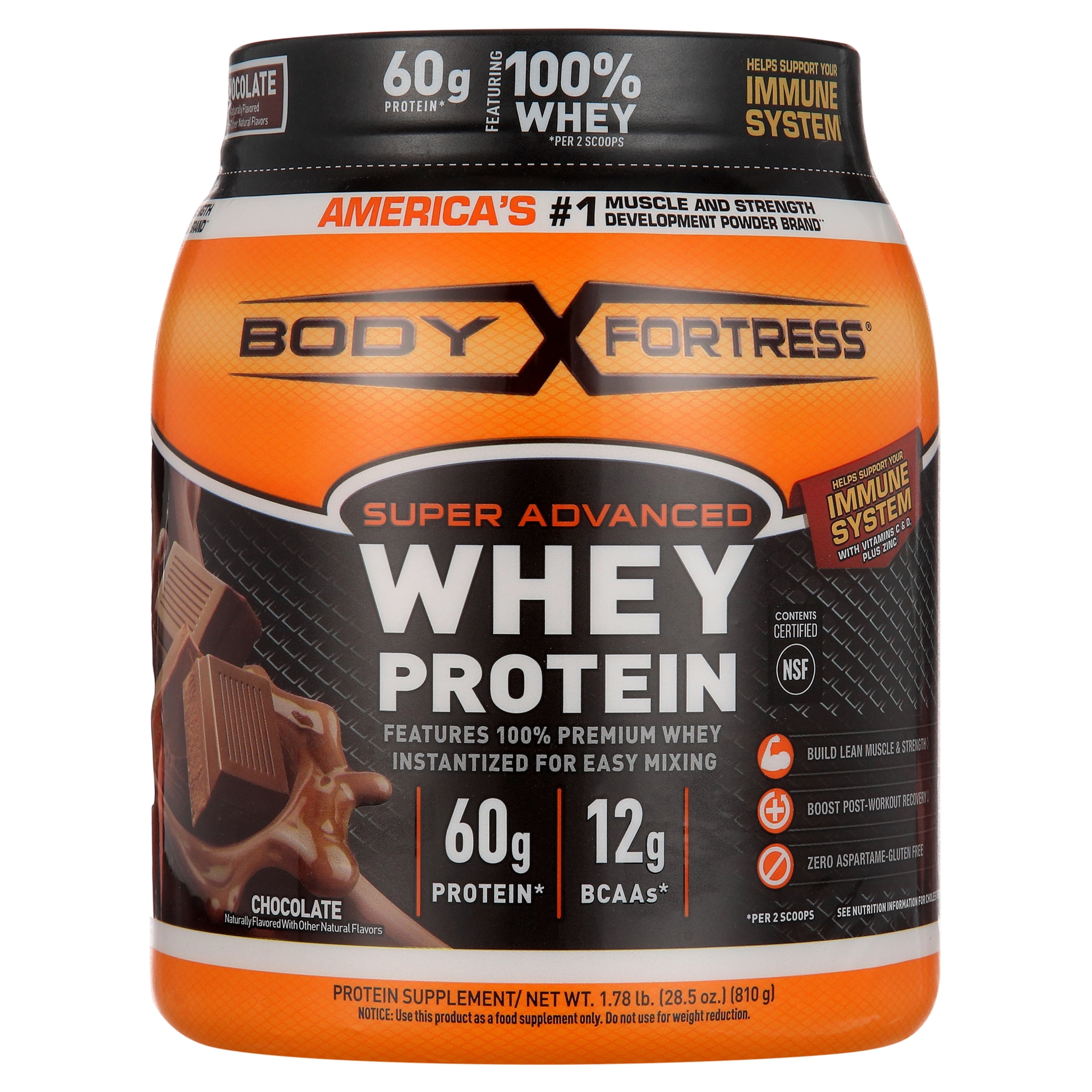
Among the different types of protein supplements available, whey protein is particularly effective for muscle growth. Whey protein is derived from dairy and is considered a complete protein, meaning it contains all the essential amino acids that our bodies require for optimal muscle repair and growth.
One of the key benefits of whey protein is its high amino acid content. Amino acids are the building blocks of protein and play a vital role in muscle repair and growth. Whey protein is rapidly absorbed by the body, allowing for efficient delivery of amino acids to the muscles. This makes it an ideal choice for consumption before or after a workout to support muscle recovery and growth.
The recommended dosage of whey protein for muscle building is around 20-25 grams per serving. It is important to note that individual protein requirements may vary based on factors such as body weight, activity level, and fitness goals. It is advisable to consult with a healthcare professional or a registered dietitian to determine the appropriate protein intake for your specific needs.
To enhance the effectiveness of whey protein supplementation, it is recommended to combine it with a well-rounded diet that includes other macronutrients, such as carbohydrates and healthy fats. Additionally, regular resistance training and exercise are crucial for maximizing the benefits of protein supplementation and overall muscle growth.
In conclusion, protein supplements, particularly whey protein, can be a valuable addition to a well-balanced diet and exercise routine for individuals aiming to build and maintain muscle mass. Whether you choose to obtain protein from natural food sources or protein supplements, it is important to prioritize a balanced approach to nutrition and fitness to achieve optimal results.
Creatine for Muscle Building
Creatine is a naturally occurring compound that plays a vital role in providing energy to skeletal muscles during exercise. While approximately half of the body's creatine supply comes from the diet, the rest is produced in the liver, kidneys, and pancreas. In the context of muscle building, creatine has gained popularity as a supplement that can enhance muscle gain and improve athletic performance.
How Creatine Improves Muscle Gain
Regular intake of creatine, combined with weightlifting and exercise, has shown promising results in increasing muscle growth among individuals aged 18 to 30. However, more research is needed to determine its effects on muscle growth in older individuals or those with muscle-affecting diseases (Cleveland Clinic).
Creatine supplements provide a quick burst of energy, allowing individuals to perform high-intensity exercises with increased strength. This can lead to more effective muscle stimulation and growth. It is important to note that creatine primarily benefits power sports and activities that require short, intense bursts of energy, rather than aerobic endurance activities.
Moreover, creatine supplements have been widely accepted and used by athletes participating in professional sports, as organizations such as the International Olympic Committee and the National Collegiate Athletic Association allow their use.
Recommended Dosage and Timing
When considering creatine supplementation, it is crucial to follow the recommended dosage guidelines. Typically, a loading phase of creatine involves taking a higher dosage (around 20 grams per day) for a week, followed by a maintenance phase of lower dosage (around 3-5 grams per day) thereafter. This loading phase helps to quickly saturate the muscles with creatine, while the maintenance phase ensures a consistent supply for long-term benefits.
It is important to consult with a healthcare professional or a registered dietitian before starting any new supplementation routine, especially if you have any pre-existing medical conditions or concerns.
Timing is also a key factor when taking creatine supplements. Consuming creatine with a meal that contains carbohydrates can enhance its absorption by the muscles. Additionally, post-workout timing is beneficial as the muscles are more receptive to nutrient uptake during this period.
Vegetarians or vegans may especially benefit from creatine supplementation, as they do not obtain creatine through animal-based sources. Studies suggest that individuals taking creatine may gain an additional two to four pounds of muscle mass during regular exercise over a period of four to 12 weeks compared to those who do not take creatine.
While creatine supplements have shown promising results in muscle building, it is important to remember that they are not a substitute for a balanced diet and regular exercise. Adequate nutrition and a comprehensive training program are essential for maximizing muscle growth and overall health.
Caffeine and its Role in Muscle Building
When it comes to muscle building, caffeine can play a significant role in enhancing exercise performance and supporting your fitness goals. Let's explore how caffeine can contribute to your muscle building journey.
Enhancing Exercise Performance with Caffeine
Caffeine, a natural stimulant found in various beverages and foods, has been shown to have performance-enhancing effects when consumed in moderation (Medical News Today). It can increase alertness and reduce perceived effort during exercise, allowing you to push harder and potentially achieve better results.
Research suggests that consuming caffeine prior to exercise can improve endurance performance. Ingesting approximately 3-6 mg/kg body weight of caffeine, ideally 30-60 minutes before a workout, has been shown to enhance exercise performance and reduce the perception of effort during endurance exercises. This boost in performance can contribute to the overall muscle-building process by enabling you to train at a higher intensity and potentially stimulate greater muscle growth.
Moderation and Timing of Caffeine Intake
While caffeine can be beneficial for muscle building, it's important to consume it in moderation. Excessive caffeine intake can lead to unwanted side effects such as nervousness, jitteriness, and sleep disturbances. It's recommended to stay within the safe range of caffeine consumption, which is generally considered to be around 400 mg per day for most healthy adults.
Timing of caffeine intake is also crucial. Research suggests that consuming caffeine in the morning may be particularly beneficial for improving neuromuscular function and cycling performance (NCBI). By strategically timing your caffeine intake, you can optimize its effects during your workouts and potentially maximize your muscle-building efforts.
It's worth noting that while caffeine can be one of the most well-studied and effective supplements for muscle building, it should not replace a balanced diet and exercise routine. It should be viewed as a complementary tool to support your overall fitness goals. Prioritize a well-rounded approach that includes proper nutrition, regular strength training, and adequate rest to achieve optimal muscle-building results.
In conclusion, consuming caffeine in moderation can enhance exercise performance and contribute to your muscle-building goals. By incorporating caffeine strategically into your pre-workout routine and staying within recommended limits, you can potentially boost your performance, increase strength, and support your overall muscle-building journey. Remember to listen to your body and adjust your caffeine intake based on your individual tolerance and preferences.
Other Supplements for Muscle Building
While protein and creatine are well-known supplements for muscle building, there are other supplements that can also support your muscle growth goals. Two such supplements are branched-chain amino acids (BCAAs) and beta-alanine.
Branched-Chain Amino Acids (BCAAs)
Branched-chain amino acids (BCAAs) are a group of essential amino acids that include leucine, isoleucine, and valine. These amino acids are crucial for muscle protein synthesis and repair. While BCAAs have been reported to be beneficial for reducing muscle damage and soreness after intense resistance training, the evidence regarding their efficacy in improving exercise performance or muscle building is inconclusive (PubMed).
BCAAs can be obtained through dietary sources such as meat, fish, eggs, and dairy products. However, some individuals choose to supplement their diet with BCAA supplements. These supplements provide a concentrated source of BCAAs, which can be convenient for individuals who struggle to meet their daily requirements through food alone.
It's important to note that while BCAA supplements may have potential benefits, they should not be seen as a replacement for a balanced diet that includes adequate protein intake. If you are considering taking BCAA supplements, it's always a good idea to consult with a healthcare professional or a registered dietitian to determine if they are suitable for your individual needs.
Beta-Alanine and its Effects on Muscle Endurance
Beta-alanine is a non-essential amino acid that can enhance exercise performance and reduce fatigue. When you consume beta-alanine, it increases the levels of a compound called carnosine in your muscles. Carnosine helps buffer the build-up of lactic acid during exercise, which can delay muscle fatigue and improve endurance.
Studies have shown that taking 2-5 grams of beta-alanine daily can help improve muscle endurance and overall workout performance (Men's Health). It's worth noting that beta-alanine is known to cause a harmless side effect called paresthesia, which is a tingling sensation on the skin. This sensation is temporary and typically subsides within a few hours.
As with any supplement, it's important to consult with a healthcare professional or a registered dietitian before incorporating beta-alanine into your routine. They can provide personalized guidance based on your individual needs and goals.
Remember, while supplements may have their benefits, they are not a substitute for a well-rounded fitness routine that includes proper nutrition, exercise, and rest. It's always best to focus on a balanced approach that includes a variety of nutrient-dense foods, regular strength training, and adequate recovery to support your muscle building journey.
Potential Risks and Considerations
When exploring muscle building supplements, it's important to be aware of potential risks and considerations. While these supplements can provide benefits when used correctly, they also carry some inherent risks. Understanding these risks and maintaining a balanced approach is essential for overall health and well-being.
Side Effects and Risks of Muscle Building Supplements
Some muscle-building supplements have been associated with side effects and risks. It's important to note that not all supplements are created equal, and the risks may vary depending on the specific product. Here are some potential risks to consider:
- Liver Damage: Certain muscle-building supplements have been linked to liver damage. For example, the popular supplement androstenedione was banned by the FDA in 2004 due to harmful effects (Livestrong).
- Contaminated Ingredients: In 2017, research revealed that some muscle-building supplements contained unapproved and potentially harmful ingredients, including steroids, stimulants, and hormones (Livestrong).
- Kidney Damage: High doses of certain supplements, like creatine, have been associated with kidney damage when taken for prolonged periods (Livestrong).
- Nutritional Imbalances: Over-reliance on muscle-building supplements, such as protein powders, without a balanced diet can lead to nutritional imbalances. These supplements may replace whole foods with concentrated sources of nutrients, potentially depriving the body of other essential vitamins and minerals.
It's crucial to consult with a healthcare professional or a registered dietitian before incorporating any new supplements into your routine. They can provide personalized guidance based on your specific health needs and help you navigate the potential risks associated with muscle-building supplements.
Importance of Balanced Nutrition and Exercise
While muscle-building supplements can be a helpful addition to your fitness journey, it's important to remember that they are not a substitute for a balanced diet and regular exercise. Over-reliance on supplements without addressing overall nutrition and physical activity can lead to adverse health effects.
A balanced diet that includes a variety of whole foods provides essential nutrients, vitamins, and minerals that support muscle growth and overall health. Lean proteins, complex carbohydrates, and healthy fats should form the foundation of your diet. Incorporating a wide range of fruits, vegetables, and whole grains can further enhance the nutritional value of your meals.
In addition to nutrition, regular exercise is crucial for building and maintaining muscle mass. Strength training exercises, along with cardiovascular activities, can help you achieve your fitness goals. It's important to develop a well-rounded exercise routine that suits your individual needs and capabilities.
By prioritizing balanced nutrition and exercise, you can optimize your muscle-building efforts while minimizing potential risks associated with supplements. Remember, always consult with a healthcare professional or a registered dietitian before making any significant changes to your diet or supplement regimen.
Other Supplements for Muscle Building
Branched-Chain Amino Acids (BCAAs)
Beta-Alanine and its Effects on Muscle Endurance
In addition to protein, creatine, and caffeine, there are other supplements that can aid in muscle building. Two notable options are branched-chain amino acids (BCAAs) and beta-alanine.
Branched-Chain Amino Acids (BCAAs)
Branched-chain amino acids, consisting of leucine, isoleucine, and valine, are essential amino acids that play a crucial role in muscle protein synthesis. BCAAs are particularly beneficial for muscle building as they can be directly metabolized by the muscles for energy during exercise. This can help reduce muscle fatigue and promote muscle recovery (Medical News Today).
While protein-rich foods are the best sources of BCAAs for muscle building, BCAA supplements can be beneficial in certain situations, such as when there are constraints on food intake or time. These supplements often come in powder or capsule form and can be consumed before, during, or after workouts to support muscle growth and recovery.
Beta-Alanine and its Effects on Muscle Endurance
Beta-alanine is a non-essential amino acid that can enhance muscle endurance during high-intensity exercises. When consumed, beta-alanine is converted into carnosine, a compound that helps buffer acid build-up in muscles. By reducing the accumulation of lactic acid, beta-alanine can delay muscle fatigue and improve exercise performance.
Supplementing with beta-alanine can be particularly beneficial for individuals engaged in activities that require repeated bursts of high-intensity exercise, such as weight lifting or sprinting. Research suggests that taking beta-alanine supplements over a period of several weeks can increase muscle carnosine levels and improve exercise capacity.
It's important to note that while BCAA and beta-alanine supplements can have potential benefits for muscle building and exercise performance, they should not replace a well-balanced diet and regular exercise. These supplements should be viewed as complementary to a healthy lifestyle rather than a substitute for proper nutrition and training.
Before adding any supplements to your routine, it is recommended to consult with a healthcare professional or a registered dietitian to ensure they align with your individual needs and goals.
