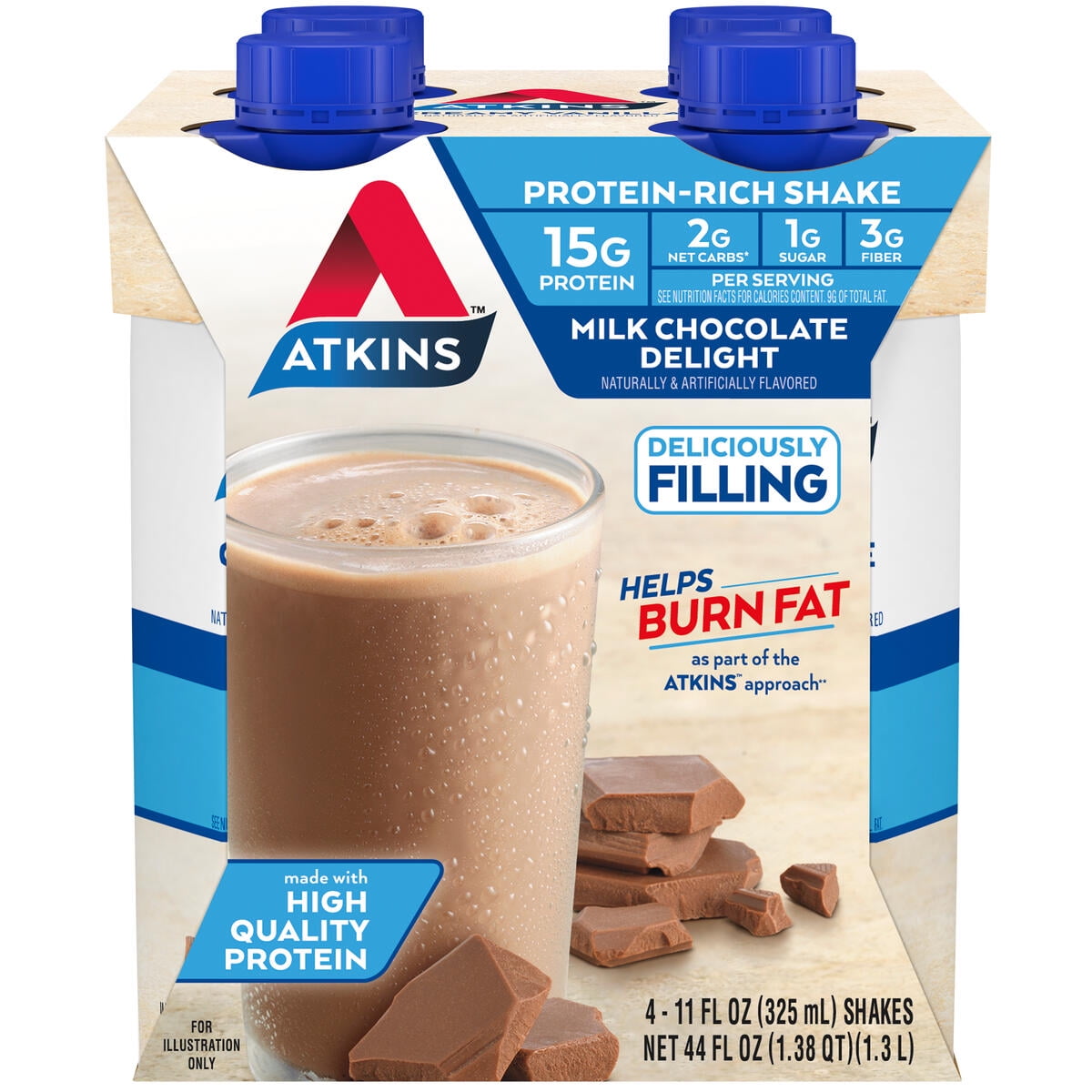

KETOGENIC NUTRITION STRATEGIES AND SUPPLEMENTS FOR ATHLETES
Understanding Ketogenic Nutrition for Athletes
Athletes exploring ketogenic nutrition strategies should prioritize understanding the intricate balance between their power-to-weight ratio, endurance sports performance, and the body's adaptation to utilizing fat for energy. By significantly reducing carbohydrate intake and increasing healthy fat consumption, athletes can undergo a metabolic shift towards relying on fat as a primary fuel source during exercise. This shift, known as fat adaptation, can lead to enhanced endurance capacity and improved overall performance, especially in long-duration activities that demand sustained energy levels.
Moreover, when implemented correctly, ketogenic nutrition can offer athletes a unique approach to optimizing their performance. By harnessing the benefits of fat adaptation and efficiently utilizing supplements for athletes, individuals can potentially experience improved energy levels, enhanced recovery mechanisms, and better metabolic flexibility. While reducing carbohydrate intake may initially challenge the body's accustomed energy pathways, the long-term benefits of a well-structured ketogenic meal plan tailored to an athlete's requirements can prove invaluable in achieving peak performance levels.
Importance of Body Composition and Weight Management
Body composition and weight management are pivotal for athletes aiming to optimize performance. Maintaining an ideal body composition is closely linked to improving energy availability during high-intensity efforts. Athletes need to focus not only on total energy expenditure but also on the quality of nutrients consumed to support exercise intensity. By incorporating foods rich in essential nutrients and healthy fats, athletes can enhance their energy levels and sustain prolonged exercise sessions.
Moreover, the narrative surrounding re-examining high-fat diets for sports underscores the significance of body composition and weight management. Athletes exploring ketogenic nutrition must strike a balance between reducing carbohydrate intake and ensuring adequate energy availability for optimal performance. Understanding how to fuel the body effectively with a ketogenic diet can lead to improved metabolic efficiency and better energy utilization during high-intensity efforts. By emphasizing the role of body composition, athletes can maximize their potential and achieve peak performance levels.
Implementing a Keto Meal Plan
Implementing a Keto Meal Plan involves strategic planning to support athletes engaging in endurance training. For optimal performance, an eating plan rich in healthy fats, moderate protein, and low carbohydrates is essential. Scientific research suggests that a ketogenic diet can provide athletes with sustained energy levels during prolonged physical activities. However, the specifics of the diet can vary significantly depending on individual needs and training requirements. Athletes following a keto diet should focus on whole, nutrient-dense foods to meet their macronutrient goals and fuel their workouts efficiently.
Sustaining proper nutrition while on a ketogenic diet is crucial for athletes aiming to enhance their endurance capacity. By incorporating foods that support muscle glycogen and electrolyte management, athletes can maintain performance levels during prolonged training sessions. Additionally, understanding the benefits of fat adaptation through scientific research can aid athletes in optimizing their power-to-weight ratio. Implementing a well-rounded keto meal plan not only supports overall health and fitness but also enhances athletic performance through the consumption of foods rich in micro and macronutrients.

Keto Science Chocolate MCT Meal Shake
Fuel Your Workouts and Keto Diet with Our Delicious Chocolate MCT Meal Shake
Product information
$24.98 $22.12
Product Review Score
4.53 out of 5 stars
142 reviewsProduct links
Strategies for Muscle Glycogen and Electrolyte Management
To optimize muscle glycogen and electrolyte management for athletes engaging in prolonged physical activities or requiring bursts of power, a tailored nutrition plan is imperative. This section outlines key strategies to maintain optimal performance while adhering to ketogenic principles. The ketogenic diet aims to shift macronutrient ratios to promote reliance on fats for fuel, sparing glycogen for high-intensity efforts. For athletes, this adaptation process can be particularly beneficial, as it teaches the body to efficiently utilize stored fat as a predominant energy source.
Incorporating targeted electrolyte intake is vital for athletes following a ketogenic diet, especially during intense training sessions or competitions. Ensuring sufficient sodium, potassium, and magnesium levels can help prevent muscle cramps and fatigue, supporting overall performance. By strategically managing muscle glycogen through the manipulation of dietary carbohydrates and emphasizing electrolyte balance, athletes can optimize their energy levels and sustain peak physical output throughout their training and competitive endeavors.
Fueling Endurance Sports with a Ketogenic Diet
Endurance sports demand sustained energy levels, typically derived from carbohydrates. However, a ketogenic diet aims to shift the body's primary energy source from carbohydrates to fats by significantly reducing carbohydrate intake and increasing healthy fat consumption. This transition challenges the traditional approach to macronutrient intake for athletes but can lead to beneficial adaptations in the body's energy metabolism. By training the body to rely on fats for fuel, athletes can potentially enhance their endurance capabilities and improve fat oxidation rates during prolonged exercise sessions.
The strategic implementation of a ketogenic diet for endurance sports involves meticulous planning to ensure that the body receives an adequate supply of essential nutrients while meeting the performance demands of prolonged physical exertion. Athletes adopting this dietary approach must be attentive to their electrolyte balance, as the reduction in carbohydrate intake may impact glycogen storage and fluid retention. While transitioning to a higher fat intake, athletes need to prioritize nutrient-dense foods that support their overall health and performance. Adapting to a ketogenic diet for endurance sports involves a comprehensive understanding of how to optimize macronutrient distribution to sustain prolonged athletic endeavors.
Enhancing PowertoWeight Ratio for Athletes
Enhancing the power-to-weight ratio for athletes is a crucial factor when aiming to optimize performance. By strategically altering the macronutrient distribution in their diet, athletes can positively influence the body's ability to efficiently utilize fats over carbohydrates for energy during training sessions or competitions. Transitioning into a state of ketosis can be particularly beneficial for athletes engaged in prolonged endurance activities as it trains the body to rely on fat stores for fuel, thus preserving glycogen reserves for crucial moments. This shift can lead to improved power-to-weight ratios as the body becomes more adept at burning fat for energy, enhancing overall performance.
Athletes pursuing a ketogenic approach should carefully consider the timing of their carbohydrate intake to ensure optimal performance. While reducing overall carbohydrate intake is a key component of maintaining a state of ketosis, strategic carb-loading can still be beneficial for enhancing performance during high-intensity efforts. By judiciously incorporating carbohydrates before and after intense training sessions or competitions, athletes can strike a balance that supports both their power-to-weight ratio goals and their need for quick-access energy. This tailored approach to carbohydrate consumption, in conjunction with a well-rounded ketogenic diet, can provide athletes with the edge they seek in their athletic pursuits.
Benefits of Fat Adaptation in Athletes
Training the body to efficiently utilize fat as a primary fuel source rather than solely relying on carbohydrates can significantly benefit athletes in various aspects of their performance. Increased fat oxidation resulting from adapting to a ketogenic diet promotes enhanced endurance and stamina during prolonged physical activity. This shift in metabolic fuel preference not only aids in preserving muscle mass but also contributes to minimizing oxidative stress on the body, ultimately fostering better recovery and overall metabolic health for athletes engaging in demanding training regimens. The potential benefits of fat adaptation encompass sustained energy levels, improved body composition, and optimized metabolic efficiency, all of which are paramount for peak athletic performance.
By prioritizing fat utilization over carbohydrates through the ketogenic diet's metabolic adaptation, athletes have shown improvements in power-to-weight ratio and aerobic capacity. This fundamental change in energy substrate utilization can lead to enhanced performance, particularly in endurance sports. Moreover, reducing the reliance on carbohydrates may positively impact athletic endeavors that demand sustained effort and focus, potentially improving overall athletic output and resilience. Embracing fat adaptation as a central tenet of an athlete's nutritional strategy can pave the way for long-term sustainability and performance advancement in various sporting disciplines.
Utilizing Fat for Energy during Exercise
When athletes transition to a ketogenic diet, their body is prompted to shift from relying on carbohydrates for fuel to utilizing fat as the primary source of energy during exercise. Dietary intake becomes crucial during this phase to ensure that fat intake is sufficiently increased while keeping protein intake moderate. This switch in diet adaptation poses challenges in maintaining muscle glycogen stores within the initial phase. Athletes often experience a period where their performance might dip slightly as their bodies adjust to utilizing fat for energy. However, with proper monitoring of nutritional intake and gradual adjustment, athletes can overcome these initial hurdles.
One of the main challenges athletes face when incorporating fat as a primary fuel source is the perceived decrease in performance during high-intensity efforts. Initially, the body may struggle to efficiently use fat stores for quick bursts of energy, which can impact performance levels. To counteract this, athletes need to strategically plan their meals to ensure they have enough readily available energy for intense workouts. Balancing carbohydrate restriction with the adequate consumption of healthy fats and proteins is key to maintaining energy levels and optimizing performance, especially during the early stages of implementing a ketogenic diet.
Reducing Carbohydrate Intake for Athletes
Reducing carbohydrate intake can be a pivotal strategy for athletes looking to optimize their performance through the manipulation of primary fuel sources. In the realm of sports nutrition, where energy levels and substrate utilization are of utmost significance, the shift towards ketogenic diets has garnered considerable attention. By limiting carb intake, athletes aim to induce a state of metabolic adaptation that prioritizes fat oxidation over glucose utilization. While this nutritional approach might seem counterintuitive, especially for sports that traditionally rely on carbohydrate-based fueling strategies, emerging research suggests that even in activities of moderate intensity or graded exercise, athletes can adapt to utilizing alternative fuel sources due to the sparing effect on muscle glycogen content.
Moreover, the fine balance between reducing carbohydrate intake and maintaining adequate energy levels for athletic endeavors underscores the complexity of transitioning to a lower-carb paradigm. As athletes strive to optimize their performance through the strategic manipulation of macronutrients, the adaptation to a reduced carbohydrate intake must be carefully managed to ensure sustained energy provision during training and competition. Contrary to the concerns surrounding the potential impact on high-intensity efforts and performance, the gradual shift towards a more fat-adapted state may yield benefits that extend beyond endurance-related activities to encompass various modalities of athletic pursuits. By prioritizing the metabolic flexibility that comes with a reduced reliance on carbohydrates, athletes can unlock potential performance gains while preserving muscle glycogen stores for when they are truly needed.
Impact on HighIntensity Efforts and Performance
Reducing carbohydrate intake through the implementation of low-carbohydrate diets, particularly ketogenic nutrition, has shown promising effects on optimizing athletic performance. Studies on the effects of ketogenic diets have indicated significant improvements in endurance training adaptations and overall power-to-weight ratio in athletes through enhanced fat utilization and reduced reliance on carbohydrates for energy. Additionally, randomized controlled trials have suggested that athletes following a ketogenic diet experience lower perceived exertion levels during high-intensity efforts, potentially contributing to prolonged exercise durations and increased performance outputs.
The impact of ketogenic nutrition on high-intensity efforts and athletic performance goes beyond mere dietary adjustments; it encompasses fundamental shifts in metabolic pathways that can markedly influence an athlete's capabilities. By strategically reducing carbohydrate intake and promoting fat adaptation, athletes can capitalize on the body's ability to efficiently utilize stored fat for energy, thereby enhancing endurance and delaying the onset of fatigue. Furthermore, the sustainable nature of low-carbohydrate diets offers athletes a reliable method of fueling their activities while fostering metabolic flexibility and resilience. These findings underscore the significance of integrating ketogenic nutrition as a viable strategy for maximizing athletic potential and achieving peak performance levels.
| Study | Participants | Duration | Findings |
|---|---|---|---|
| Phinney et al. (1983) | Elite cyclists | 4 weeks | Improved endurance performance and fat utilization |
| Volek et al. (2016) | Athletes from various sports | 12 weeks | Increased power-to-weight ratio and improved endurance capacity |
| McSwiney et al. (2017) | Recreationally active individuals | 4 weeks | Reduced perceived exertion during high-intensity efforts |
| Webster et al. (2019) | Ultra-endurance runners | 12 months | Enhanced fat adaptation and prolonged exercise durations |
Enhancing Performance through Ketogenic Foods
Optimizing athlete performance through the strategic implementation of a ketogenic diet involves a deep understanding of the human metabolic response to chronic ketosis. By restricting carbohydrate intake and promoting the utilization of fat as a primary fuel source, athletes can enhance their power-to-weight ratio, thus improving their overall performance. This shift in fuel utilization not only aids in maintaining stable blood glucose levels for sustained energy but also allows athletes to tap into their body's fat stores more efficiently, leading to better endurance and performance outcomes. Embracing a well-designed ketogenic meal plan can significantly impact an athlete's health and wellness, offering a sustainable approach to fueling the demands of competitive sports.
Carbohydrate availability plays a crucial role in an athlete's ability to perform optimally, and the careful balance achieved through carbohydrate restriction in a ketogenic diet can promote metabolic flexibility and enhance performance output. By training the body to burn fat as a primary energy source, athletes can reduce their reliance on glycogen stores, thereby prolonging endurance capacity and minimizing the risk of hitting the proverbial "wall." Incorporating ketogenic foods rich in micro and macronutrients ensures that athletes meet their nutritional needs while reaping the benefits of fat adaptation for improved athletic performance. The long-term sustainability of this approach hinges on maintaining an appropriate balance of nutrients and supplements, supporting the athlete's journey towards peak performance.
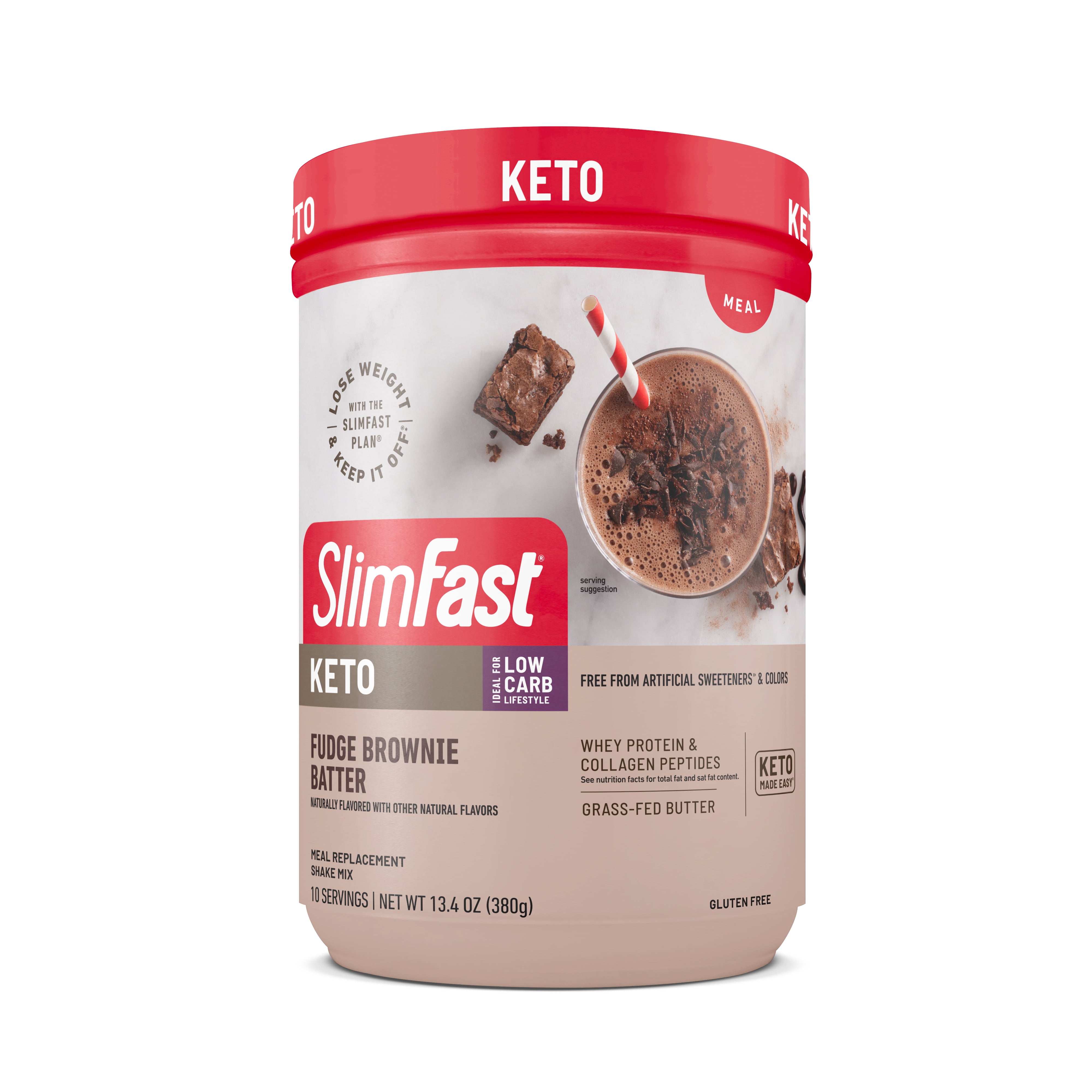
Keto Meal Replacement Powder - Fudge Brownie Batter
The Ultimate Low-Carb Solution for Peak Performance and Stamina!
Product information
$14.99
Product Review Score
4.33 out of 5 stars
137 reviewsProduct links
Foods Rich in Micro and Macronutrients for Athletes
For athletes following a ketogenic diet, incorporating foods rich in micro and macronutrients is crucial for sustained performance and overall health. Since this nutrition plan involves drastically reducing carbohydrate consumption, athletes need to focus on obtaining essential nutrients from other sources. By shifting the body’s metabolic state into ketosis, where the body's primary fuel source shifts to burning fat for fuel, it's essential to include nutrient-dense foods to support optimal performance. Including a variety of colorful vegetables such as leafy greens, bell peppers, and broccoli can provide essential vitamins and minerals while being low in carbs, thus supporting the body’s needs while in ketosis.
Protein-rich foods are also vital for athletes on a ketogenic diet, as they help support muscle repair and growth. Sources like poultry, fish, and tofu provide amino acids necessary for muscle recovery, ensuring athletes can continue to perform at their best. Additionally, healthy fats such as avocados, olive oil, and nuts not only provide sustained energy but also offer crucial micronutrients like vitamin E and omega-3 fatty acids, which support overall health and well-being. By focusing on incorporating a variety of nutrient-dense foods, athletes can maintain their energy levels, support their performance goals, and promote optimal recovery while following a ketogenic nutrition plan.
LongTerm Sustainability of a Ketogenic Diet
The long-term sustainability of a ketogenic diet holds significant implications for athletes looking to optimize their performance and achieve their weight and body composition goals. By primarily relying on fat for fuel instead of carbohydrates, the body's metabolic state shifts towards utilizing stored fat for energy production. This metabolic adaptation not only promotes a steady supply of energy but also enhances energy efficiency, ultimately aiding in a decrease in body fat percentage and an improvement in body composition over time. The consistent utilization of fat as the primary fuel source can lead to a decreased reliance on glycogen stores, resulting in improved endurance capacity and a more efficient energy utilization system.
Moreover, the sustained practice of a well-formulated ketogenic diet can contribute to enhanced performance and recovery in athletes by providing a reliable source of energy while helping to maintain lean body mass. With a reduced intake of carbohydrates, the body becomes adept at breaking down fat for the production of ketones, which serve as an alternative fuel source for muscles and the brain during prolonged exercise sessions. This shift not only supports performance during endurance activities but can also lead to a decrease in body fat accumulation, further supporting weight management and improving overall athletic performance. By ensuring the adequate consumption of essential nutrients and maintaining a proper balance of macronutrients, athletes can successfully sustain a ketogenic diet and reap its numerous benefits for long-term health and performance.
Ensuring Adequate Nutrient Intake for Athletes
A key aspect concerning athletes following a ketogenic diet is ensuring the adequate intake of essential nutrients to support their performance and recovery demands. During the adaptation period when transitioning into ketosis, it's crucial for athletes to focus on maintaining glycogen restoration and utilizing adequate protein intake to support muscle repair and growth. While the ketogenic diet is known for its benefits in utilizing fat for energy, it's important not to overlook the significance of maintaining optimal protein levels to prevent muscle breakdown, especially during activities of vigorous intensity that require peak power output.
Athletes should strategically plan their meals to contain a balance of essential macronutrients - including adequate protein sources, healthy fats, and limited carbohydrates - to support their training demands and performance goals. While the focus of a ketogenic diet is primarily on utilizing fats for fuel, incorporating sufficient protein sources is essential for maintaining muscle mass and aiding in the recovery process after intense workouts. By incorporating nutrient-dense foods that align with the principles of a ketogenic diet, athletes can ensure that they meet their energy requirements while optimizing their performance potential.
Supplementing with Ketogenic Nutrition for Athletes
When integrating supplements into a ketogenic nutrition plan for athletes, careful consideration must be given to the unique needs of both recreational and elite athletes. Monitoring ketone levels is crucial to ensure the body is in a state of ketosis, which is essential for utilizing fat as the primary source of energy during exercise. Supplements such as medium-chain triglycerides (MCTs) can aid in increasing ketone production, particularly for athletes aiming to enhance their endurance performance. It is imperative to maintain an optimal calorie intake to support energy demands while adapting to a ketogenic diet, especially for those engaged in high-intensity activities, as inadequate caloric intake may pose a risk to skeletal muscle preservation and overall athletic performance.
Elite athletes, in particular, may benefit from targeted supplementation to address specific nutritional needs. Nutrient deficiencies can impact training adaptation and recovery; therefore, incorporating supplements like electrolytes and vitamins can help mitigate the risk factors associated with intense exercise regimens while following a low-carb, high-fat protocol. Skeletal muscle health and protein synthesis are paramount for athletes striving to improve power-to-weight ratio and overall performance. Supplementing with branched-chain amino acids (BCAAs) and collagen peptides can support muscle recovery and maintenance, aiding in the preservation of lean muscle mass crucial for athletic prowess.
Role of Supplements in Athletic Performance Optimization
Athletic performance optimization through supplements is a common practice among athletes seeking that extra edge. When following a ketogenic diet that requires reduced carb intake, supplementing becomes crucial to replenish vital nutrients. With a diet focused on high fat, moderate protein, and low carbs, maintaining muscle function and replenishing carbohydrate stores can be challenging. That's where supplements play a vital role. In particular, supplements that help stabilize blood sugar levels, enhance endurance, and support recovery after moderate exercise are beneficial. By strategically incorporating supplements into a mixed diet, athletes can sustain energy levels, prevent fatigue, and improve overall performance.
For athletes engaged in high-intensity efforts, such as sprinting or weight lifting, the management of carbohydrate stores is paramount. Supplementing with substances that aid in glycogen production and utilization can be advantageous. Furthermore, athletes looking to reduce the risk of insulin resistance or type II diabetes may find specific supplements beneficial in the long run. A balanced approach that combines a ketogenic diet with appropriate supplementation can support athletes in maintaining peak performance levels while minimizing the impact of restricted carb intake. In essence, supplements tailored to the needs of athletes can complement a mixed diet, helping maximize the benefits of moderate exercise and nutrition.
- Supplements are essential for replenishing vital nutrients on a ketogenic diet
- Supplements can help stabilize blood sugar levels and enhance endurance
- Athletes engaged in high-intensity efforts can benefit from supplements aiding in glycogen production
- Supplementing with substances that aid in glycogen production and utilization is advantageous for high-intensity activities
- Balanced supplementation can support athletes in maintaining peak performance levels
- Specific supplements can help reduce the risk of insulin resistance or type II diabetes
Conclusion
In summary, the ketogenic nutrition approach for athletes offers a promising avenue for optimizing performance and body composition. By strategically managing body weight through a tailored meal plan, athletes can enhance their power-to-weight ratio, ultimately benefiting endurance sports. Embracing fat adaptation can equip athletes with the ability to efficiently utilize fats for energy during exercise, reducing the reliance on carbohydrates and potentially enhancing high-intensity efforts. Moreover, the incorporation of ketogenic foods rich in micro and macronutrients can further support athletic performance and long-term sustainability on this dietary regimen.
Supplementation with ketogenic nutrition also holds potential in augmenting athletic performance optimization. By leveraging appropriate supplements to address specific needs in electrolyte management, athletes can navigate the challenges of maintaining adequate nutrient intake over time. In the realm of athletic pursuits, understanding and implementing the principles of a ketogenic diet can offer a robust framework for athletes looking to push their limits, unlock their full potential, and achieve lasting success in their competitive endeavors.
FAQS
What is a ketogenic diet and how can it benefit athletes?
A ketogenic diet is high in fats, moderate in protein, and low in carbohydrates. Athletes can benefit from a ketogenic diet by improving their power-to-weight ratio, enhancing endurance performance, and promoting fat adaptation for energy.
How can athletes manage their body composition and weight while following a ketogenic diet?
Athletes can manage their body composition and weight by implementing a keto meal plan, focusing on muscle glycogen and electrolyte management, and incorporating foods rich in micro and macronutrients.
Can reducing carbohydrate intake impact an athlete's high-intensity efforts and performance?
Yes, reducing carbohydrate intake can impact high-intensity efforts and performance initially as the body adapts to using fat for energy. However, over time, athletes can experience enhanced performance and endurance.
What are some foods rich in micro and macronutrients that athletes can incorporate into a ketogenic diet?
Athletes can include foods such as avocados, nuts, seeds, fatty fish, leafy greens, and low-carb vegetables in their ketogenic diet to ensure they are getting essential nutrients for optimal performance.
Are there supplements that athletes can take to optimize their performance while following a ketogenic diet?
Yes, athletes can supplement with electrolytes, MCT oil, exogenous ketones, and protein powders to support their athletic performance and recovery while following a ketogenic diet.
